For English, please scroll down to 🇬🇧
Na esperança de fomentar a paz mundial, uma língua chamada esperanto foi criada. Ela mistura vários idiomas europeus, com gramática e sintaxe bem simplificadas, para ser fácil de aprender, fácil de falar e ainda mais fácil de difundir. Quando leio ou escuto algo em esperanto, acho que soa como um sanduíche de latim com polonês.
Infelizmente, não é uma união linguística que fará os povos viverem em paz. Falamos todos português no Brasil e nunca fomos tão avessos uns aos outros. Isso se repete na Espanha, na França, em Portugal, na Argentina, em Israel, na Índia e por aí vai. A lista é infinita.
Lembra do começo da internet, com as declarações de esperança na horizontalidade da informação: todos teríamos acesso a tudo, de amigos de infância a receitas de bomba atômica? Vimos no que deu, ou melhor, no que está dando, como diriam os operadores de telemarketing.
Nós, seres humanos, somos incapazes de gerir tanta informação. Seja em português, seja em esperanto. O telefone, que já nem existe mais, agora serve para atacarmos uns aos outros, chamar um Uber, bisbilhotar a vida alheia, mostrar para o mundo a salada do almoço, fazer Pix, jogar tigrinho e perder tudo, agendar consulta no proctologista, trabalhar, ver onde os filhos estão, perguntar para uma superinteligência se existe vida em outro planeta ou se dá para colocar pasta de dentes na espinha.
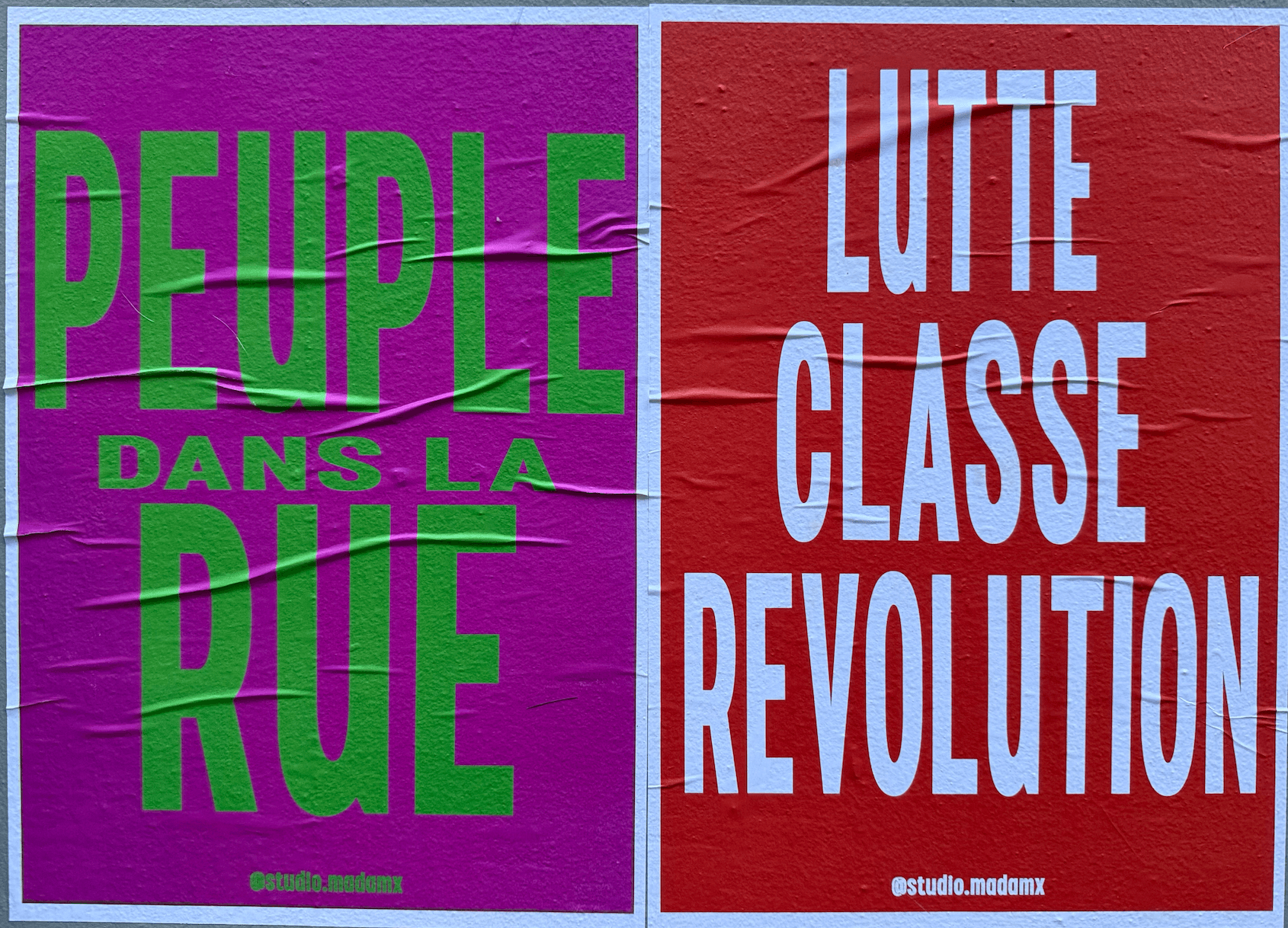
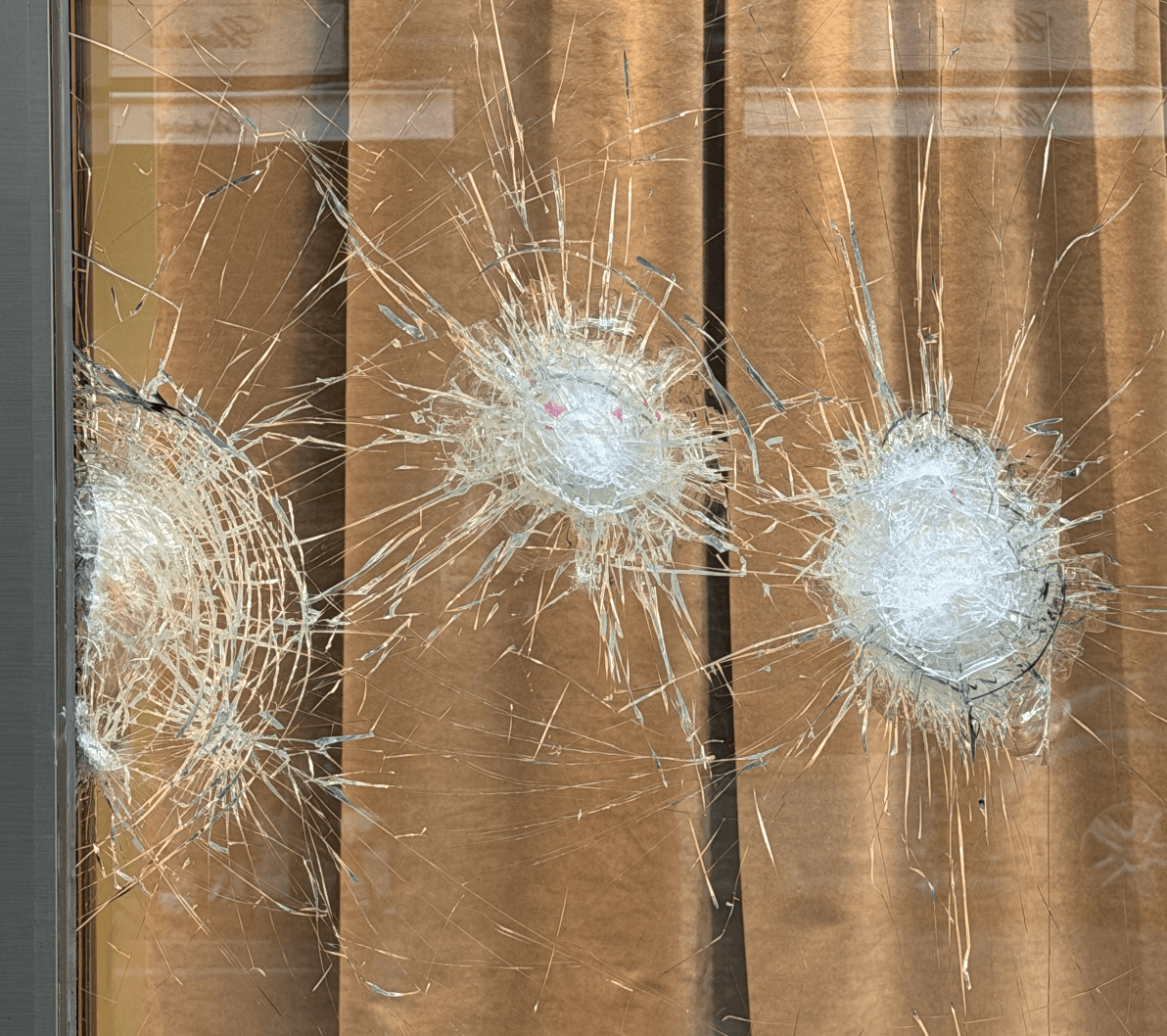
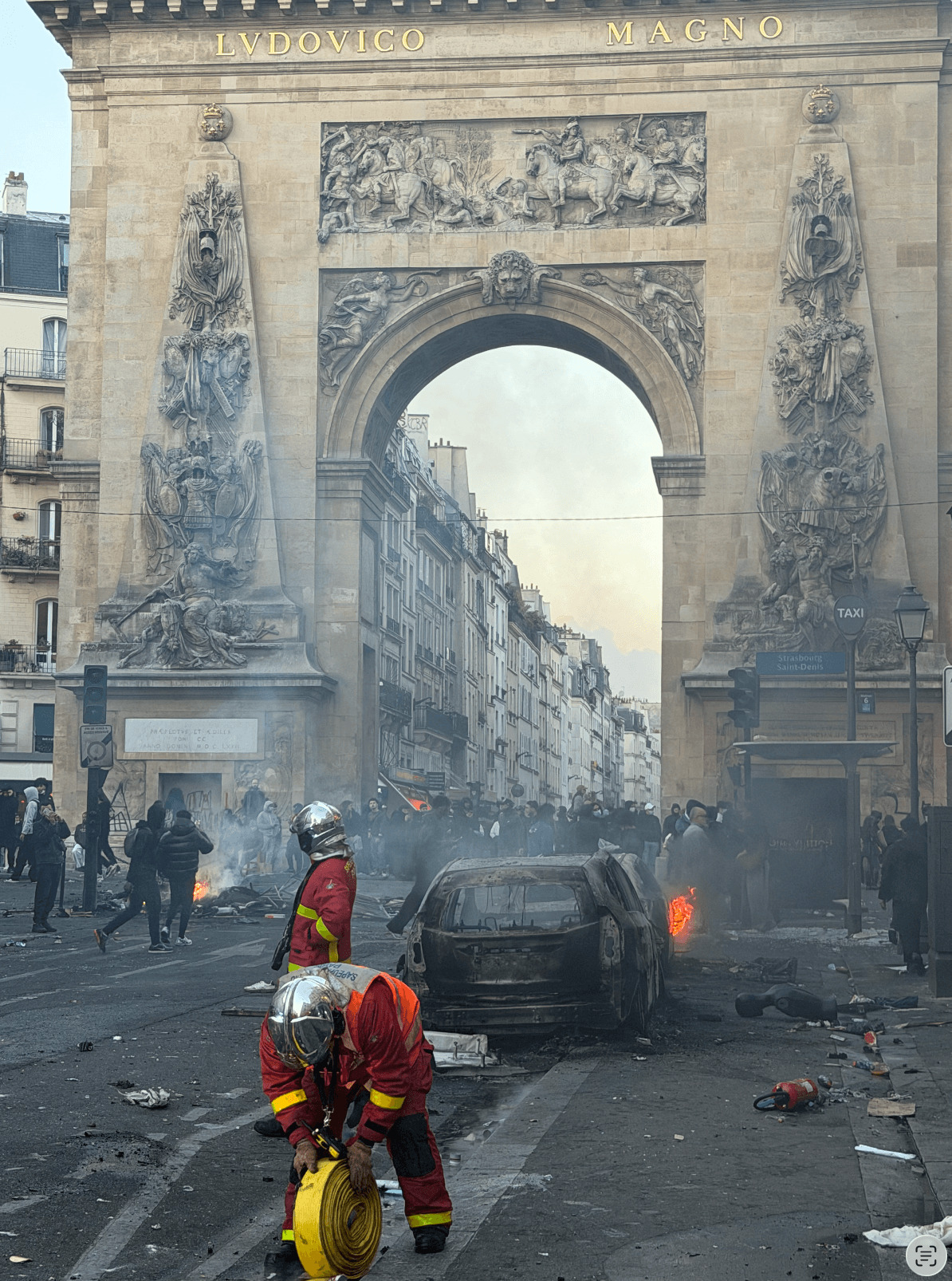
O mundo está em convulsão, isso é óbvio. Já não há como agradar a todos. Não existe nenhum aplicativo para resolver os problemas macro da vida. Concentrar-se no micro também é difícil com algoritmos sedutores, luzinhas piscando e a promessa de que o melhor ainda está por vir no fim do feed, que, como sabemos, nunca acaba. Estamos ficando mais esquecidos e mais burros também.
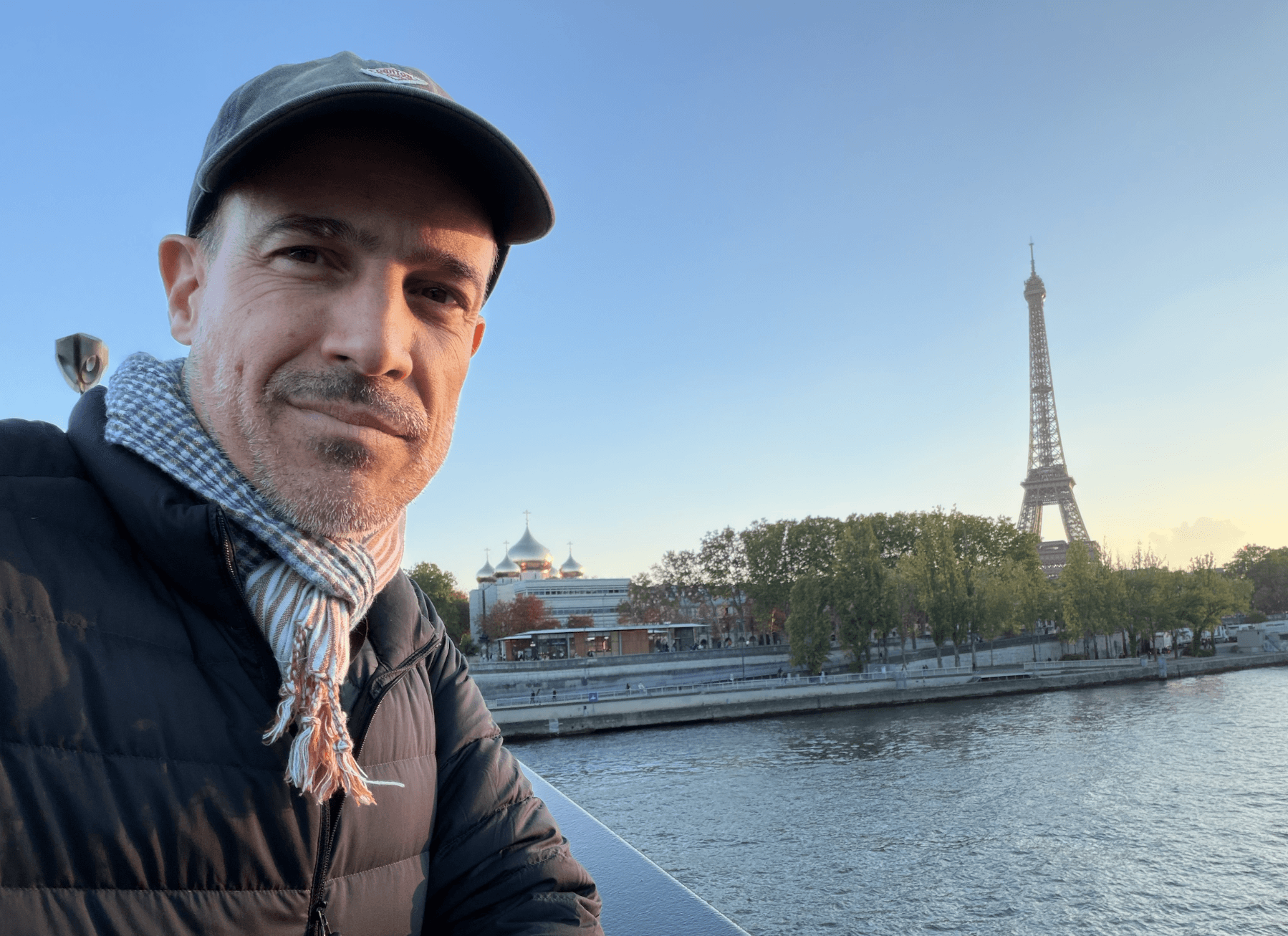
O mundo um dia acaba. Teve uma vez em que foi com um dilúvio, e Noé salvou a galera. Teve aquela vez da Torre de Babel, em que, como a humanidade atingiu os céus, Deus a castigou, condenando-a a falar várias línguas, e explodiu tudo. Tenho uma prima que já declarou o fim do mundo várias vezes. Até os 14 anos, eu ficava com medo, olhando para o calendário e esperando as naves espaciais pousarem no quintal. Quem sabe o mundo já tenha acabado e nós não tenhamos nos dado conta. Estaríamos sendo guiados por sistemas complexos que nos ditam o que pensar, aonde ir e o que fazer, vivendo em chips armazenados em servidores.
Espero falar de outra viagem, das cinzas da minha avó perdidas num Fusca ou do dedo que caiu na varanda da minha amiga na Índia. Mas isso só em novembro, caso não tenha sido deletado de algum servidor por uma inteligência artificial fugitiva programada em esperanto.
🇬🇧 In the hope of fostering world peace, a language called Esperanto was created. It combines several European languages, with a greatly simplified grammar and syntax, to make it easy to learn, easy to speak, and even easier to spread. When I read or hear something in Esperanto, I think it sounds like a sandwich made of Latin and Polish.
Unfortunately, linguistic unity is not going to bring peace among peoples. We all speak Portuguese in Brazil, and we have never been so hostile toward one another. The same thing happens in Spain, France, Portugal, Argentina, Israel, India, and so on. The list is endless.
Remember of the early days of the internet, when people expressed hope that information would become more democratic and accessible: we would all have access to everything, from childhood friends to recipes for making an atomic bomb? We have seen how that turned out—or, rather, how it is turning out, as telemarketers would say.
We human beings are incapable of managing so much information. Whether in Portuguese or Esperanto. The telephone, which no longer exists as such, is now used to attack one another, call an Uber, snoop on other people’s lives, show the world what we had for lunch, make instant bank transfers, play the online games and lose everything, book an appointment with a proctologist, work, check where the children are, ask a superintelligence whether there is life on another planet or whether you can put toothpaste on a pimple.
The world is in convulsions. That much is obvious. There is no longer any way to please everyone. There is no app to fix life’s big-picture problems. Focusing on the little things is difficult, too, with seductive algorithms, blinking lights, and the promise that the best is yet to come at the end of the feed—which, as we know, never ends. We are becoming more forgetful, and more stupid too.
The world will end one day. Once, it happened through a flood, and Noah saved everyone. Then there was the Tower of Babel, where humanity reached the heavens, so God punished mankind by condemning it to speak different languages, and everything blew up. I have a cousin who has declared the end of the world several times. Until I was fourteen, I used to stare anxiously at the calendar, waiting for spaceships to land in the backyard. Who knows, perhaps the world has already ended and we simply haven’t noticed. Perhaps we are being guided by complex systems that dictate what we should think, where we should go, and what we should do, living inside chips stored on servers.
I hope to write about another trip, about my grandmother’s ashes lost in a Volkswagen Beetle, or about the finger that fell on my friend's veranda in India. But that will have to wait until November, assuming I haven’t been deleted from a server by some rogue artificial intelligence programmed in Esperanto.