


For English, please scroll down to 🇬🇧
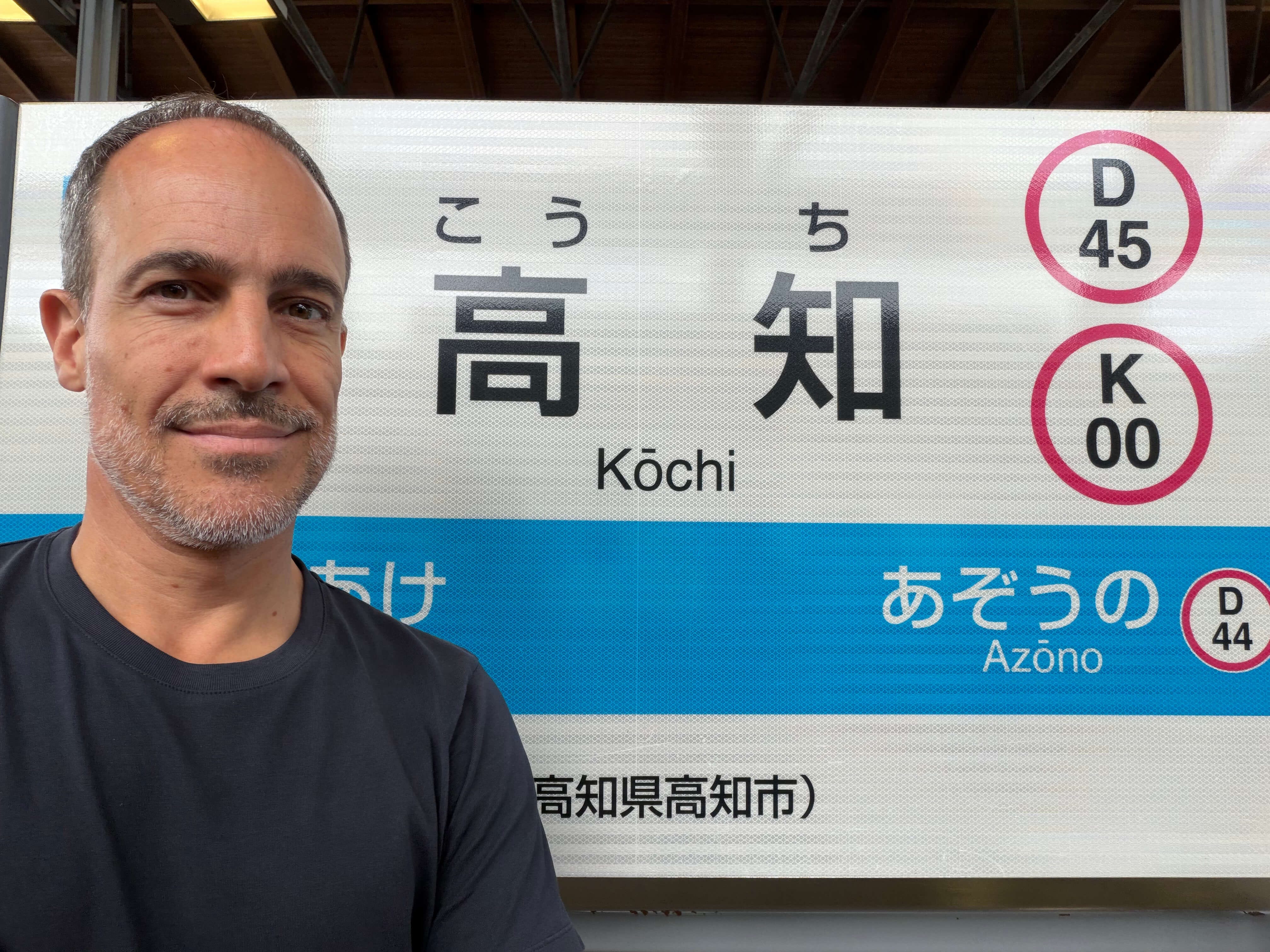
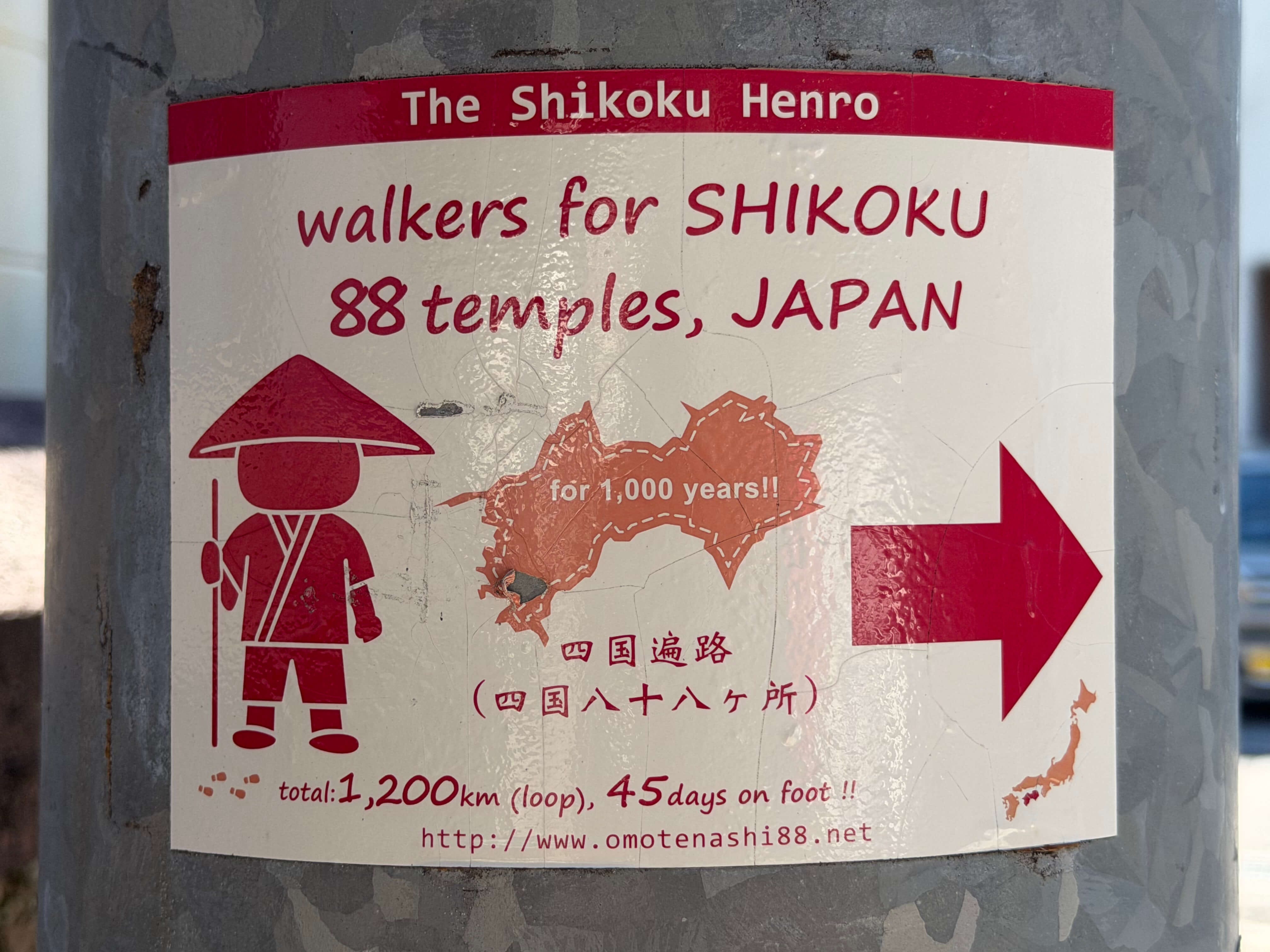
Estou no ponto do planeta Terra mais longe de Curitiba. Kochi, em Shikoku, no sul do Japão, fica a 18.400 km de casa. Literalmente de cabeça para baixo. No começo do ano, planejei uma caminhada ao redor da ilha, por uma trilha chamada Ohenro, que passa por 88 templos budistas ao longo de 1.400 km de trilhas. Passagens compradas, trens reservados, rota traçada. Sem me dar conta, catapultei-me para outro planeta bem na época das eleições. Ótimo, pensei. Vou me livrar de boa dose de insanidade mental.
Kochi poderia mesmo ser outro planeta, onde o ET sou eu. Já estou aqui há uma semana e posso contar nos dedos os estrangeiros com quem cruzei. Fica longe de Tóquio, longe de Quioto. É um Japão lado B, sem neons, trens-bala, influencers e Uniqlo. Fala-se pouco inglês e come-se carne de baleia. Na rua, as crianças me olham com cara de espanto. Eu, espantado ao ver tantas crianças gritando e correndo num Japão infértil; elas, com medo do gaijin de barba branca. Fiz a barba, mas não adiantou muito. Deve ser meu nariz. Quem sabe o cabelo grisalho, meio calvo?
Notei que, nos cafés e restaurantes, sou servido em embalagens descartáveis, enquanto os japoneses comem em pratos e xícaras de porcelana. Será que me perguntam e eu acho que é outra coisa? Descarto o lixo errado, pois não consigo entender o que deve ser separado. Nos banhos públicos, sou o único que tem pelos e quase nenhum pentelho, enquanto eles não têm nada de pelos, mas moitas densas e pretas escondendo seus bilaus. Passo o tempo pedindo desculpas por entrar pela saída e pisar de sapatos onde não pode. São sumimasens e gomenassais, com pequenas reverências a torto e a direito. Me divirto.
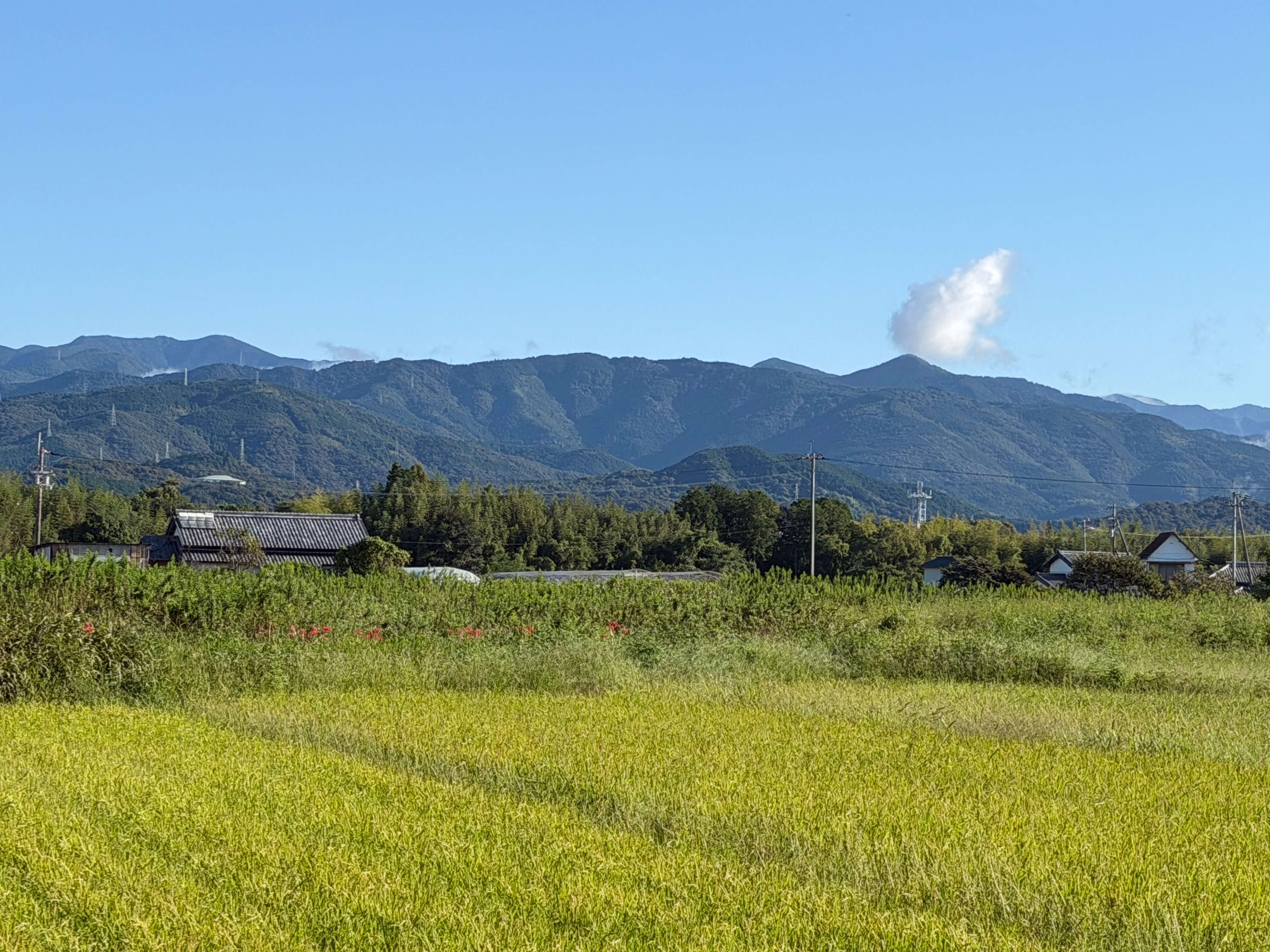
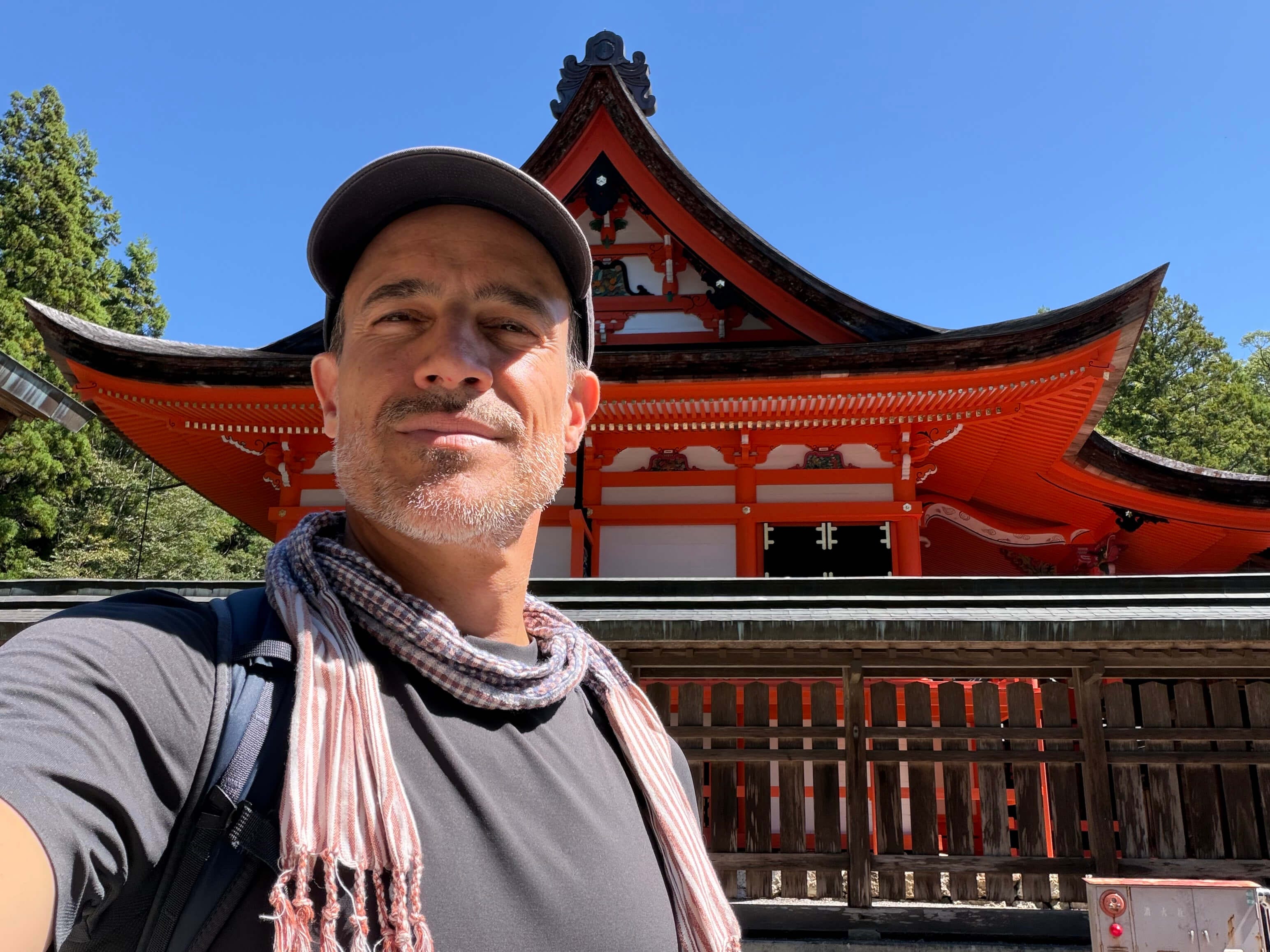
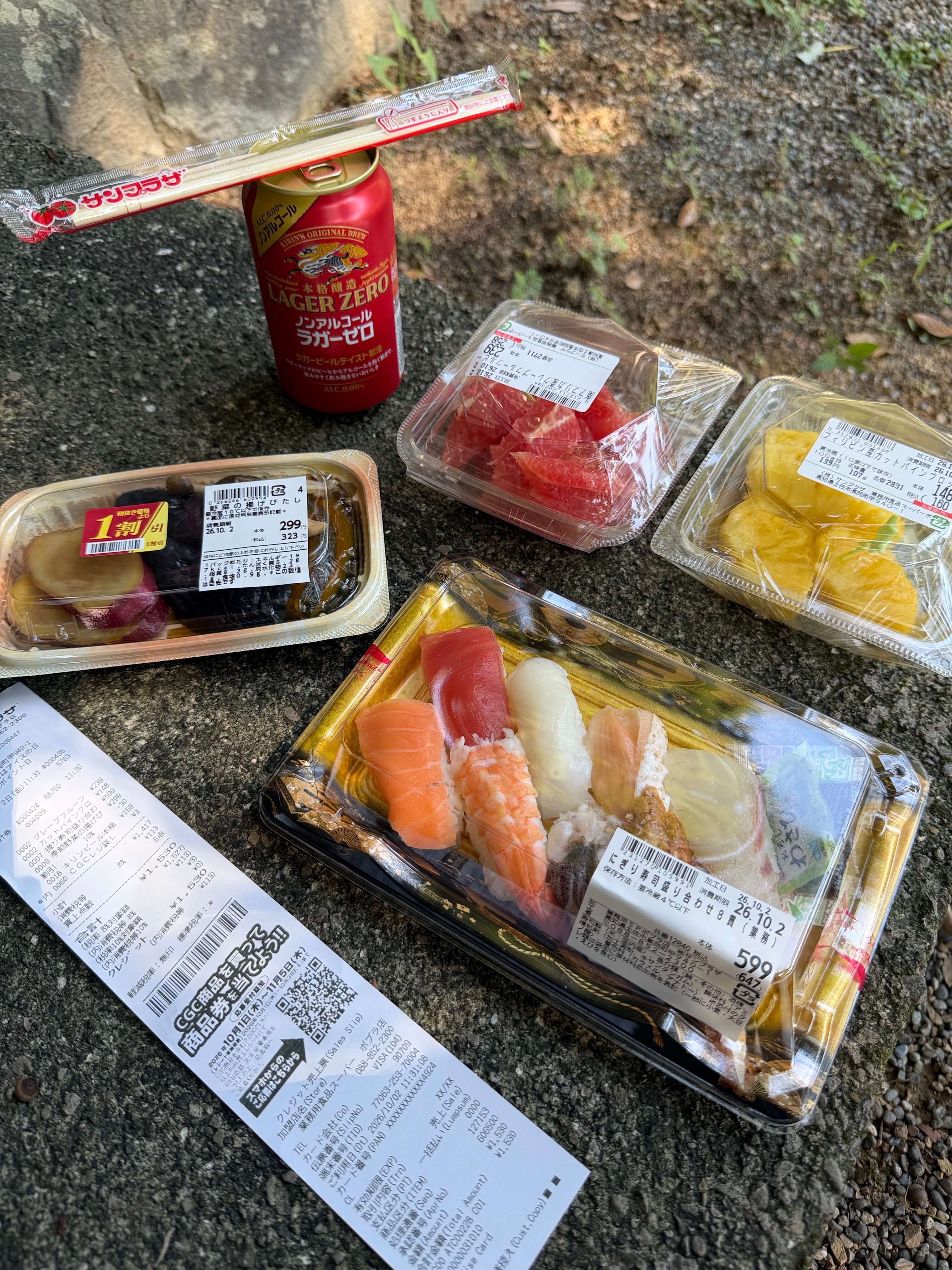
Durante três dias, caminhei do templo 28, o Dainichi, ao templo 36, o Shoryu. Foram 86 km por arrozais, praias, montanhas, florestas e muita zona industrial. Fez um calor fenomenal e me torrei — talvez por isso as crianças se espantem. Adorei misturar-me à paisagem, ver o sol atravessar o céu enquanto, passo a passo, atravessava o município. Quando não eram crianças, quem me surpreendia eram senhores e senhoras de 200 anos colhendo caquis, figos, plantando hortas ou varrendo a calçada. Nos supermercados onde almoçava, com gôndolas de sashimi, sushi, batata-doce caramelizada e saquê gelado, tudo funciona em ritmo de tartaruga, com trilha sonora de Jacques Tati. Quase um filme.
Hoje amanheceu frio e chovendo. Foi um choque térmico. Por causa de um tufão em alto-mar, um navio da Carnival Cruises atracou aqui no porto e despejou milhares de turistas ocidentais pelas ruas. Estou com síndrome de Estocolmo: acho todos eles desajeitados. Imagine que comem enquanto andam pela rua. Falam alto, dão gargalhadas e assoam o nariz na frente de todo mundo! Melhor ficar no hotel, onde, apesar dos olhares infantis, já me sinto parte do mobiliário e aprendi as regras do onsen, o banho público.
Com isso, apesar dos 18.400 km que me separam de minha urna eletrônica e da promessa de me manter bem longe das notícias sobre as eleições, não consegui resistir. Como um drogado reincidente, mergulhei nos jornais e podcasts do Brasil. Quanto maiores as barbaridades que leio, mais quero ler. Insanidade total. Amanhã, quando acordar para voltar para a cidade grande, a apuração ainda não terá começado. Chegarei a Tóquio no final do dia, junto com os primeiros resultados, com 12 horas de fuso de diferença.
O que pensei nestes dias de caminhada é que o ruim um dia acaba e o bom não dura para sempre. Terremotos, tsunamis, incêndios, bombas atômicas — e o Japão segue aqui, com as senhorinhas de 200 anos comprando tofu e enguia no supermercado e as crianças jogando beisebol nas praças. Os templos são de madeira, precisam ser renovados constantemente. O importante é plantar florestas e não deixar a sabedoria desaparecer.
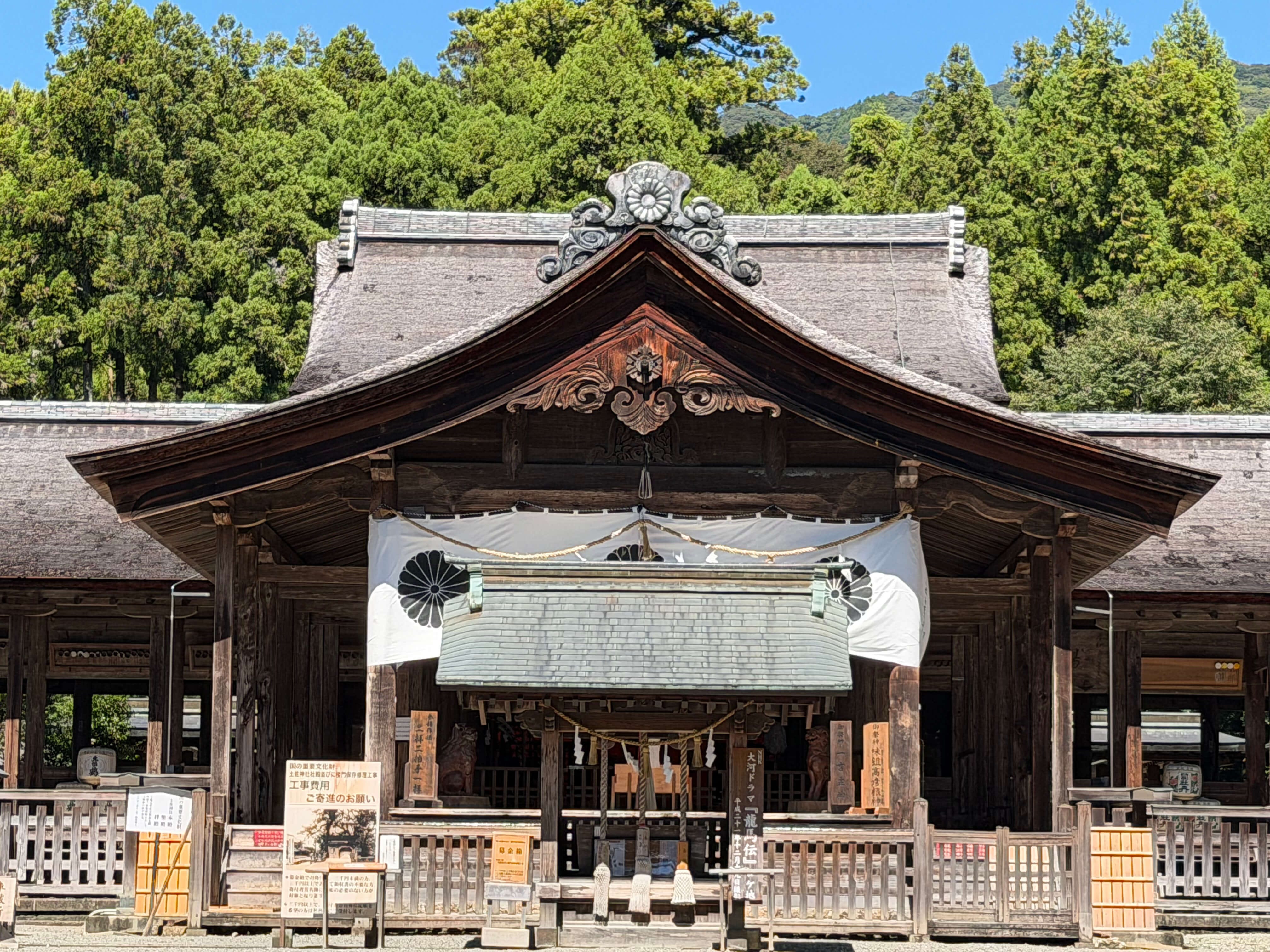
🇬🇧 I am at the point on Earth farthest from Curitiba. Kochi, on Shikoku, in southern Japan, is 18,400 km from home. Quite literally upside down. At the beginning of the year, I planned to walk around the island along a pilgrimage route called the Ohenro, which connects 88 Buddhist temples across 1,400 km of trails. Tickets bought, trains booked, route mapped out. Without realizing it, I catapulted myself onto another planet just in time for election season. Great, I thought. I’ll get away from a good dose of mental insanity.
Kochi could indeed be another planet, where I am the alien. I’ve been here for a week now and can count on my fingers the number of foreigners I’ve crossed paths with. It’s far from Tokyo, far from Kyoto. This is Japan’s B-side: no neon, bullet trains, influencers or Uniqlo. English is rarely spoken, and whale meat is on the menu. On the streets, children stare at me in astonishment. I’m astonished to see so many children shouting and running around in an otherwise infertile Japan; they, meanwhile, seem frightened by the white-bearded gaijin. I shaved my beard, but it didn’t help much. It must be my nose. Or perhaps the greying, slightly balding hair?
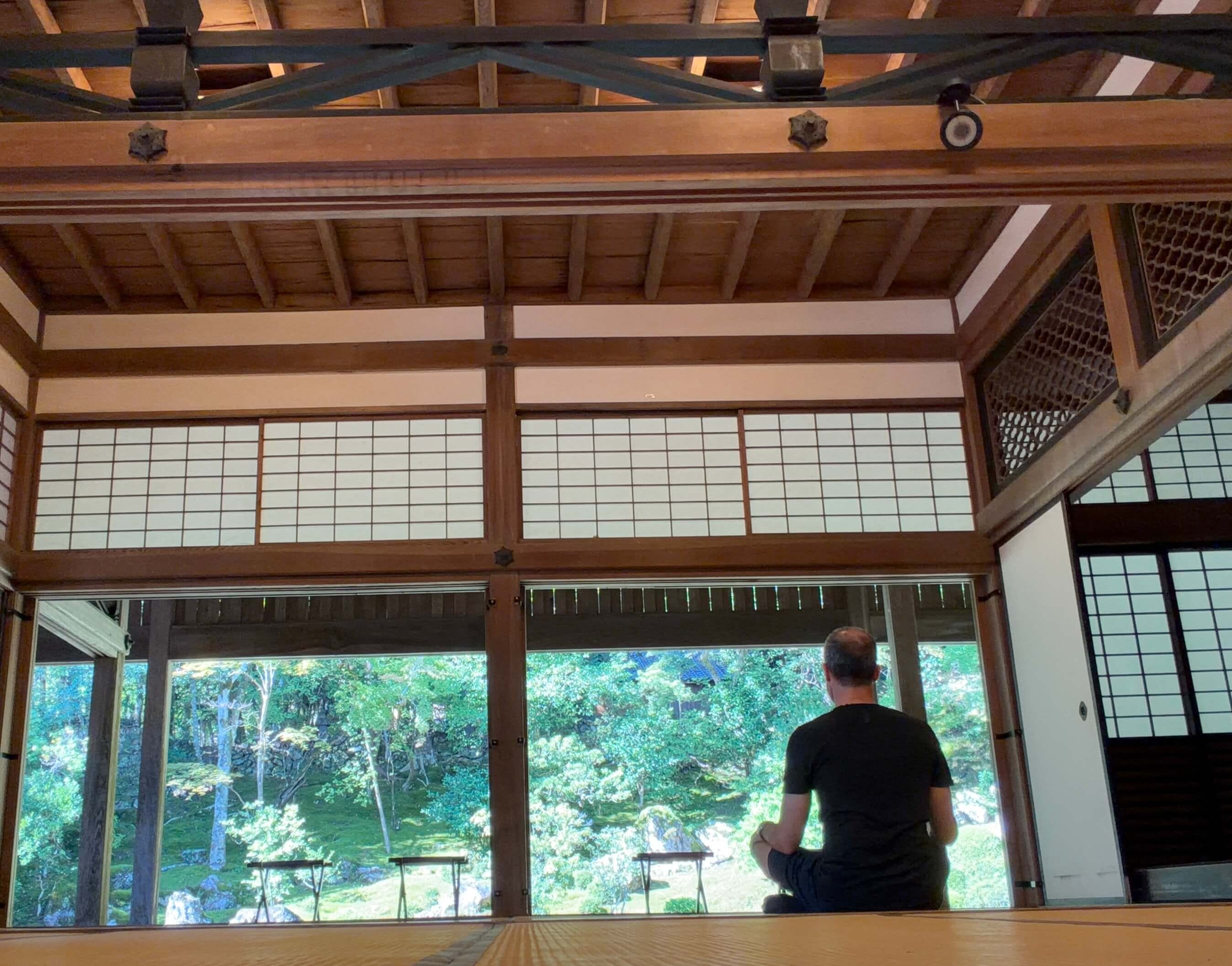
I’ve noticed that in cafés and restaurants I’m served in disposable containers, while the Japanese eat from porcelain plates and drink from porcelain cups. Do they ask me something and I misunderstand it? I keep putting my rubbish in the wrong bin because I can’t figure out what is supposed to be separated. In public baths, I’m the only one with body hair — and almost no pubic hair — while they seem to have none on their bodies but dense, black bushes hiding their dicks. I spend my time apologizing for entering through the exit and for wearing shoes where shoes are not allowed. Sumimasens and gomennasais, accompanied by little bows in every direction. I’m having fun.
For three days, I walked from Temple 28, Dainichi, to Temple 36, Shoryu. Eighty-six kilometres through rice paddies, beaches, mountains, forests and plenty of industrial areas. The heat was phenomenal and I got completely roasted — perhaps that’s why the children stare. I loved blending into the landscape, watching the sun move across the sky as I crossed the municipality, one step at a time. When it wasn’t the children, it was the two-hundred-year-old men and women who surprised me, picking persimmons and figs, tending vegetable gardens or sweeping the pavement. At the supermarkets where I stopped for lunch, with aisles full of sashimi, sushi, caramelized sweet potatoes and chilled sake, everything moves at turtle speed, with Jacques Tati providing the soundtrack. Almost like a movie.
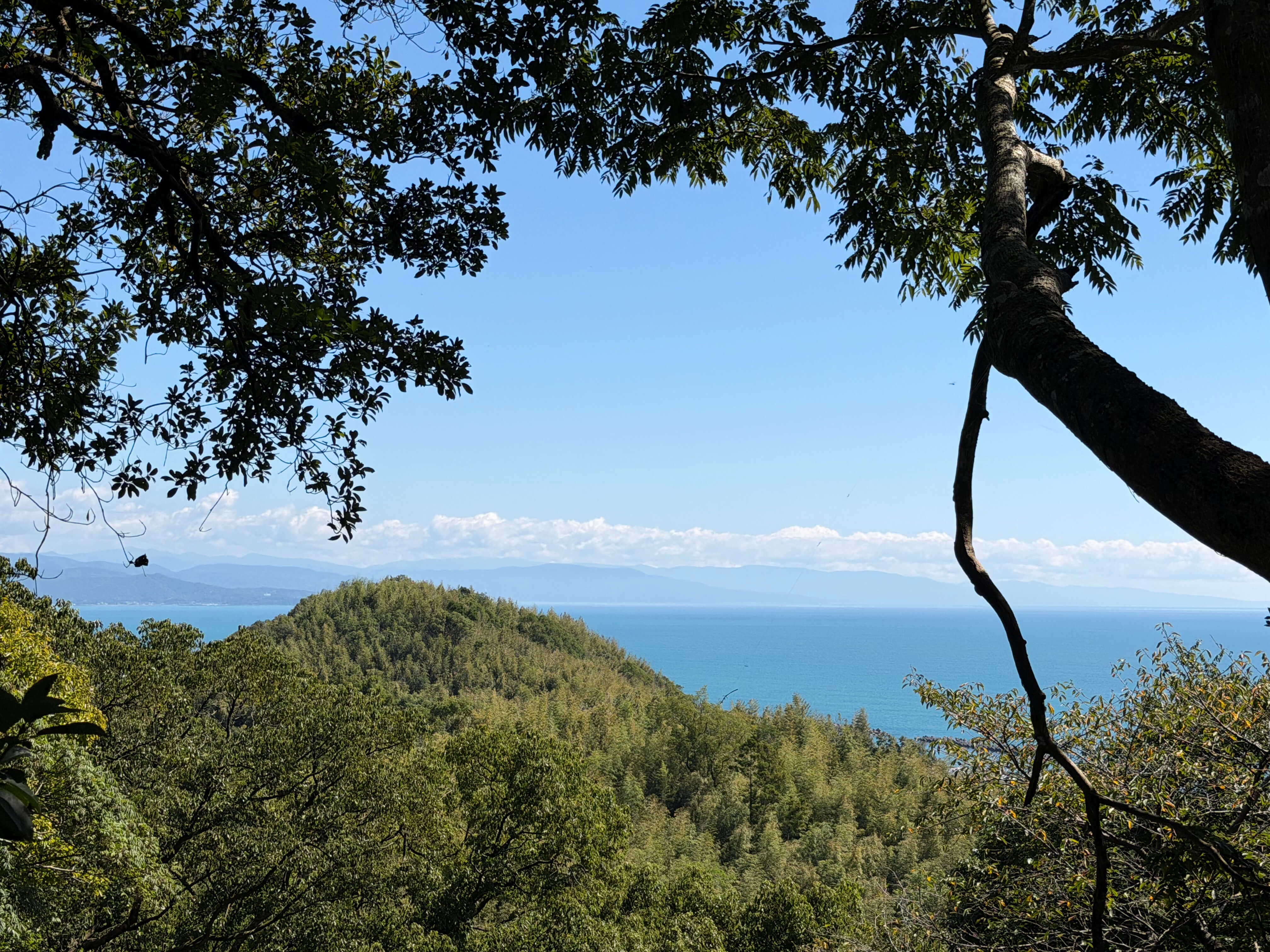
This morning was cold and rainy. A thermal shock. Because of a typhoon out at sea, a Carnival cruise ship docked here and dumped thousands of Western tourists onto the streets. I’m suffering from Stockholm syndrome: I find all of them clumsy. Imagine eating while walking down the street. They talk loudly, burst into laughter and blow their noses in front of everyone! Better to stay at the hotel, where, despite the childish stares, I already feel like part of the furniture and have learned the rules of the onsen, the public bath.
And so, despite the 18,400 km separating me from my electronic ballot box — and despite my promise to stay as far away as possible from election news — I couldn’t resist. Like a recovering addict relapsing, I plunged into Brazilian newspapers and podcasts. The more outrageous the things I read, the more I want to read. Total insanity. Tomorrow, when I wake up to head back to the big city, the vote count will not have started yet. I’ll arrive in Tokyo at the end of the day, just as the first results come in, with a twelve-hour time difference between here and home.
What I’ve been thinking about during these days of walking is that bad things eventually come to an end, and good things never last forever. Earthquakes, tsunamis, fires, atomic bombs — and Japan is still here, with its two-hundred-year-old ladies buying tofu and eel at the supermarket and children playing baseball in the squares. The temples are made of wood and have to be constantly renewed. What matters is to plant forests and not let wisdom disappear.


What an experience! A whole other world it seems. Hope you are doing okay! Besitos