


For English, please scroll down to 🇬🇧
Tenho um amigo um pouco mais novo do que eu que nasceu em um país que já não existe mais. Sua certidão de nascimento, documentos e outros certificados da República Democrática Alemã (DDR) agora são emitidos pela República Federal da Alemanha (BRD). Uma engoliu a outra. O mesmo aconteceu com milhares de outras pessoas da minha idade que nasceram na Iugoslávia, na Tchecoslováquia ou na União Soviética, nações despedaçadas há três décadas.
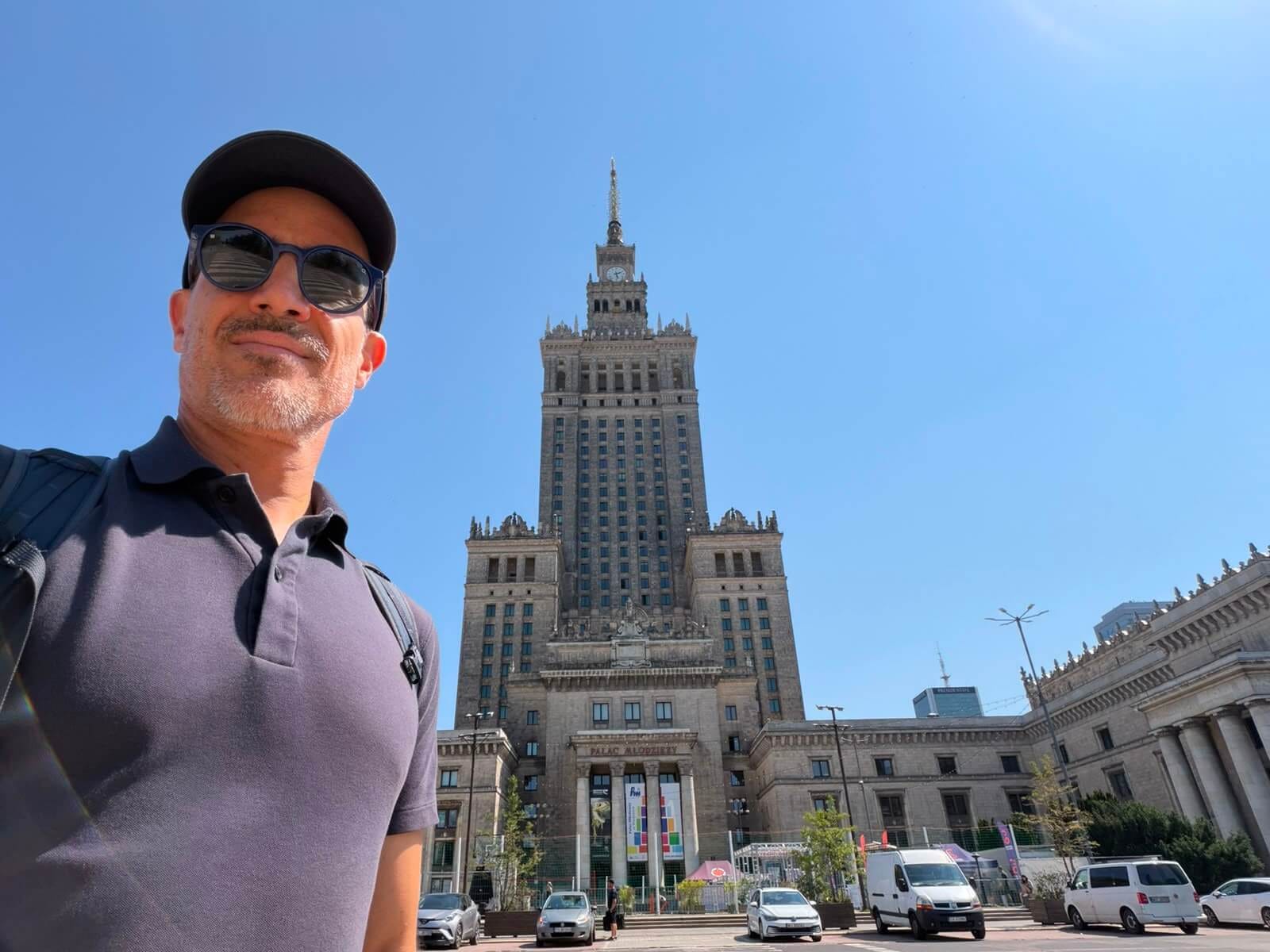
A Europa tem uma fluidez cartográfica excepcional. Tanta gente apertada e brigando por isso ou aquilo transforma os mapas mais rápido do que em outras partes do mundo, salvo talvez a África dos anos 1960 e 1970. Pensava nisso durante uma visita guiada ao centro histórico de Varsóvia, na Polônia, que é um país em mutação per se. Já existiu em vários formatos, combinações e tamanhos, dependendo do ano do mapa que você olhar. Inclusive, já deixou de existir algumas vezes.


Boa parte da visita guiada por Varsóvia foi feita por cima de corpos enterrados, o que parece ser uma das coisas mais comuns no subsolo europeu. Com relatos horrendos, mas interessantíssimos, seguimos para o Gueto que, assim como o Muro de Berlim, hoje tem apenas uma linha metálica percorrendo as calçadas da cidade, identificando as fronteiras que um dia definiram quem vivia e quem morria. Antes de o tour terminar, a sugestão do guia de visitar Treblinka ou Auschwitz parecia até piada de mau gosto.
Gente morta. Até mesmo na pacata Suécia, onde passei duas semanas, protestantes e católicos, ou suecos e dinamarqueses, se mataram a rodo. Inclusive, a coitada da Polônia, que levou cacetada de todo mundo, também foi destruída por um rei sueco, Carlos XII, nos idos de 1700. Na Europa, ninguém se salva.
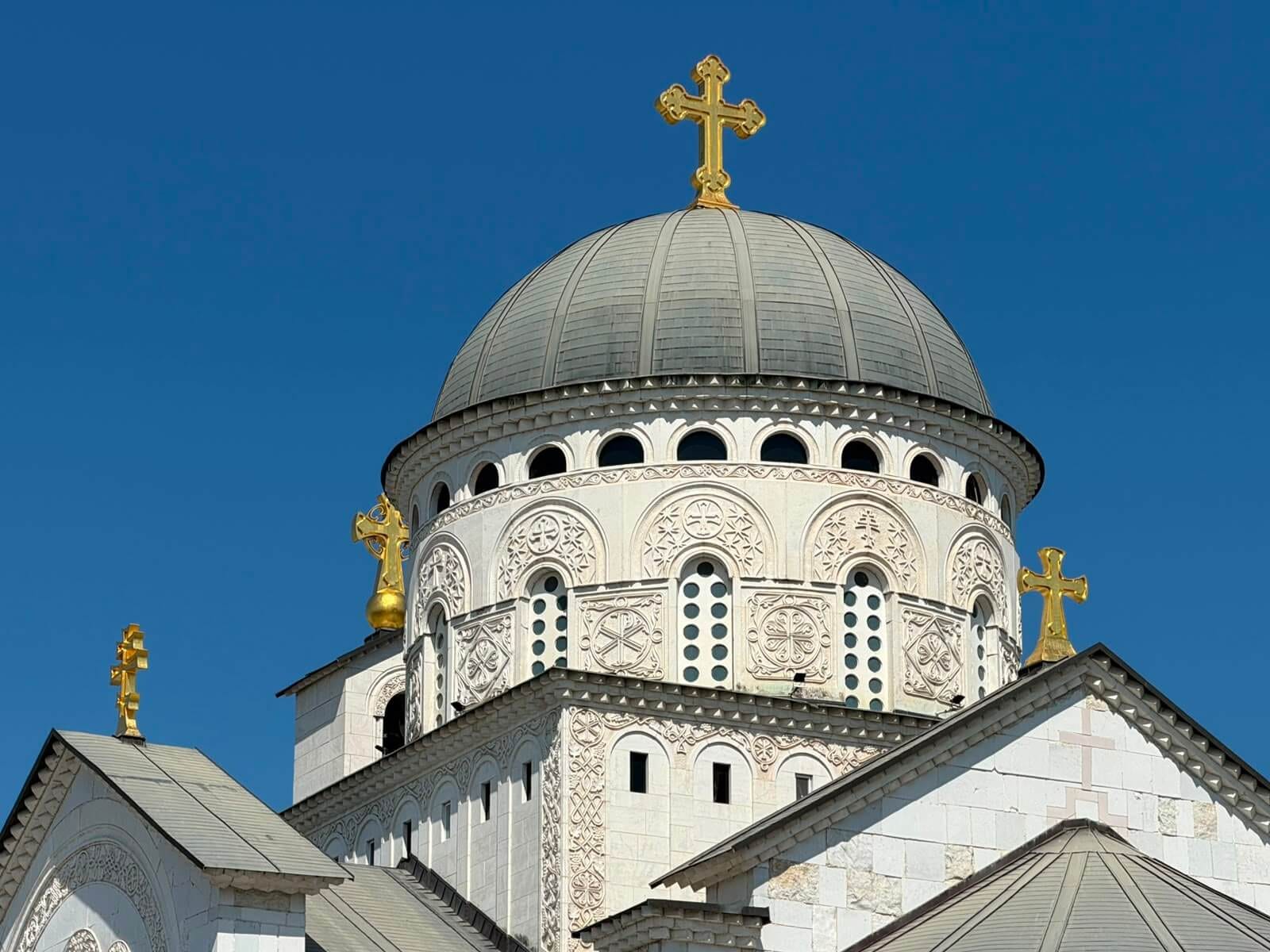
Valas comuns na Espanha, recheadas de republicanos mortos nas batalhas contra as tropas de Franco, guardam restos de avôs e bisavôs. Mas chega desse assunto, né? Esse tema, porém, segue na minha cabeça agora que estou em Montenegro, um dos menores países europeus, que fazia parte da Iugoslávia.
Acho interessante quando dizem que o fim do comunismo na Europa foi uma transição pacífica. A Cortina de Ferro foi aberta, a União Soviética foi perestroicada e glasnostizada, os satélites soviéticos entraram na Otan e na União Europeia e viva a Pax Americana. A bomba atômica não explodiu, nem um tanque ou pelotão cruzou fronteiras. Esquecem de contar as histórias dramáticas de quem vivia em Moscou, Bucareste ou Sofia e, do dia para a noite, precisou aprender a viver de outra maneira. Muita gente emigrou. Muitos simplesmente sucumbiram. A violência tomou outras formas e persiste até hoje, como na raiva dos movimentos de extrema direita e as manobras russas.
Esquecem também que, nos anos 1990, enquanto eu estudava para o vestibular, uma guerra civil vil, vil, vil estourou na Iugoslávia. Enquanto celebravam a abertura do primeiro McDonald’s em Praga, europeus voltavam a frequentar campos de concentração, a passar fome em Sarajevo, e novas valas comuns enchiam o solo europeu de húmus fresco. Só que existem europeus e europeus, é claro. Franceses, ingleses, holandeses morrendo nas ruas de Londres ou Milão chocam muito mais do que ucranianos em Kiev ou bósnios em Mostar.
Mesmo com toda essa carga histórica e a tal fluidez cartográfica, hoje dá para tomar sorvete em Cracóvia, ver o pôr do sol escutando as andorinhas em Budapeste e nem imaginar que já houve corpos espalhados pela Gran Vía de Madri. Guernica é apenas um quadro instagramável de Picasso no Museu Reina Sofía.


A fluidez também existe na história e em nossas vidas. Lembrar do passado, conhecer a História, é, sem dúvida, muito importante, mas viver, amar, reconstruir e reconciliar-se é muito mais. Talvez por isso eu goste tanto de viajar e conhecer. Testemunhar ao vivo que é possível plantar um jardim ou uma floresta depois de atravessar um genocídio. Reconstruir uma cidade inteira para mostrar à população que vale a pena seguir em frente. Que nascer iugoslavo, casar-se sérvio e ter filhos kosovares não é tão complexo assim. O tempo transforma tudo, e as nações e impérios, assim como as pessoas, também esquecem, se confundem e, um dia, morrem.
Sentei para escrever sobre uma matéria da revista The Economist que sugere que a Europa, em vez de ser um grande museu, é, na verdade, um parque de atrações (All the continent’s a stage Julho 25) e caí no assunto guerra e mapas alterados. Então vai aqui um pouco sobre o artigo agora que já enterramos os parágrafos anteriores como corpos europeus.
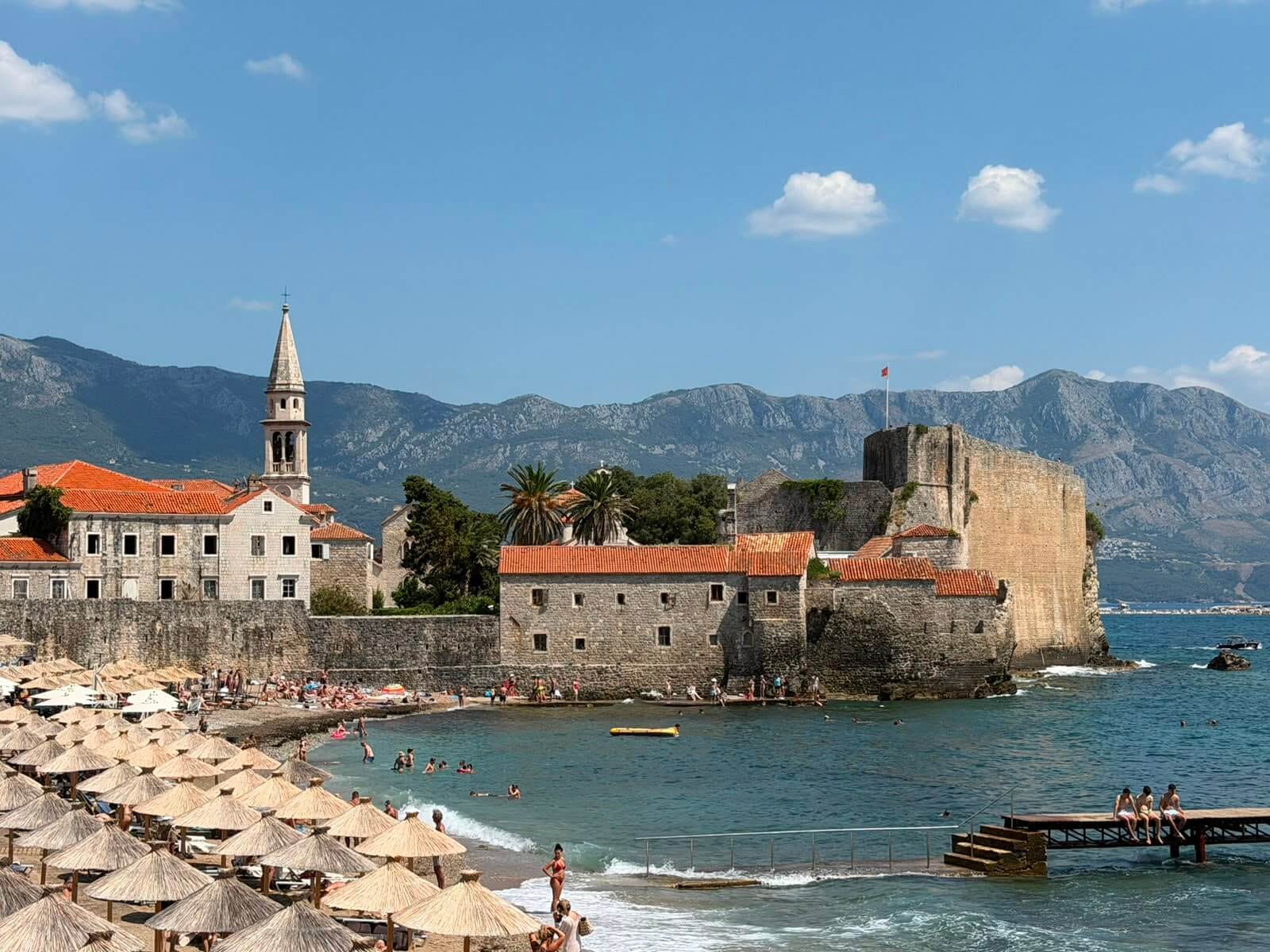
O continente recebe mais turistas do que qualquer outro lugar do mundo (1,5 bilhões) e os cerca de US$ 900 bilhões que entram na economia local por meio de hotéis, restaurantes, passagens, tours e souvenirs representam 7% das exportações europeias, sem que seja preciso se preocupar com as tarifas de Trump. Só que nós, que viajamos para cá em busca da dolce vita ou da art de vivre, nos damos conta de que fingimos ser italianos ou gregos diante de outros turistas como nós. No verão, principalmente, os locais são apenas os trabalhadores do grande casting do Instagram global. O Café de Flore, em Paris, não tem parisienses. Nem há romanos em Trastevere curtindo um Spritz. Mesmo assim, com a praia cheia de corpos cor-de-rosa aqui em Budva e um congestionamento de deixar Jacarta de boca aberta, viajar ainda vale a pena. Conhecendo a História dos lugares, ainda mais.
Até o fim de agosto!


🇬🇧 I have a friend who is a little younger than I am who was born in a country that no longer exists. His birth certificate, official documents, and other records from the German Democratic Republic (DDR) are now issued by the Federal Republic of Germany (BRD). One swallowed the other. The same happened to thousands of other people my age who were born in Yugoslavia, Czechoslovakia, or the Soviet Union—countries that fell apart three decades ago.
Europe possesses an extraordinary kind of cartographic fluidity. So many people packed into such a small space, constantly fighting over one thing or another, have redrawn its maps far more often than in most other parts of the world, with perhaps only Africa in the 1960s and 1970s as an exception. I found myself thinking about this during a guided tour of Warsaw’s Old Town in Poland, a country that is, per se, in a constant state of transformation. It has existed in many different shapes, combinations, and sizes, depending on which year’s map you happen to look at. In fact, it has disappeared altogether more than once.
Much of our walking tour through Warsaw took place above buried bodies, which seems to be one of the most common features beneath Europe’s streets. Accompanied by horrifying—yet utterly fascinating—stories, we made our way to the former Ghetto, which, like the Berlin Wall, is now marked only by a metal strip running along the sidewalks, tracing the boundaries that once determined who would live and who would die. Before the tour ended, our guide’s suggestion that we visit Treblinka or Auschwitz almost sounded like a bad joke.
Dead people. Even in peaceful Sweden, where I spent two weeks, Protestants and Catholics—or Swedes and Danes—killed one another with astonishing enthusiasm. Poor Poland, which seems to have been battered by just about everyone, was also devastated by the Swedish king Charles XII in the early eighteenth century. In Europe, nobody gets away untouched.
Mass graves in Spain, filled with Republicans killed during the battles against Franco’s forces, still hold the remains of grandfathers and great-grandfathers. But enough about death, right? And yet these thoughts remain with me now that I’m in Montenegro, one of Europe’s smallest countries and once part of Yugoslavia.
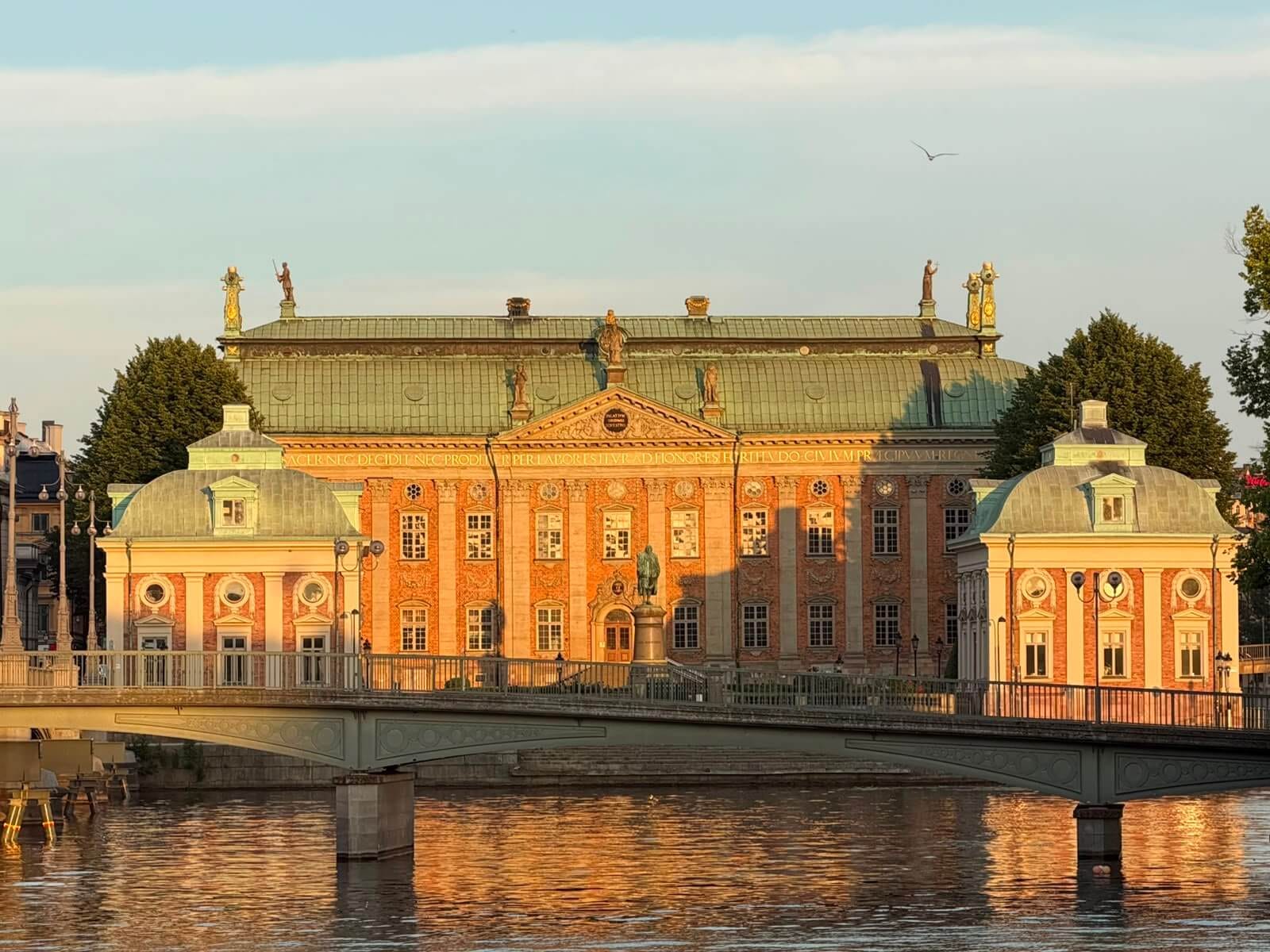
I always find it interesting when people describe the end of communism in Europe as a peaceful transition. The Iron Curtain came down, the Soviet Union was transformed by perestroika and glasnost, the former Soviet satellites joined NATO and the European Union, and long live the Pax Americana. No nuclear bombs exploded, no tanks or battalions crossed international borders. What often goes untold are the dramatic stories of those living in Moscow, Bucharest, or Sofia who, almost overnight, had to learn an entirely different way of life. Many emigrated. Many simply succumbed. Violence merely changed its form, and it persists to this day, not least in the resentment fueling far-right movements and Russian machinations.
People also tend to forget that, while I was studying for my university entrance exams in the 1990s, a vile, vile, vile civil war erupted in Yugoslavia. While Europe celebrated the opening of Prague’s first McDonald’s, Europeans were once again entering concentration camps, starving in Sarajevo, and filling new mass graves with fresh human remains. Then again, there are Europeans—and there are Europeans. French, British, or Dutch people dying on the streets of London or Milan shock the world far more than Ukrainians in Kyiv or Bosnians in Mostar.
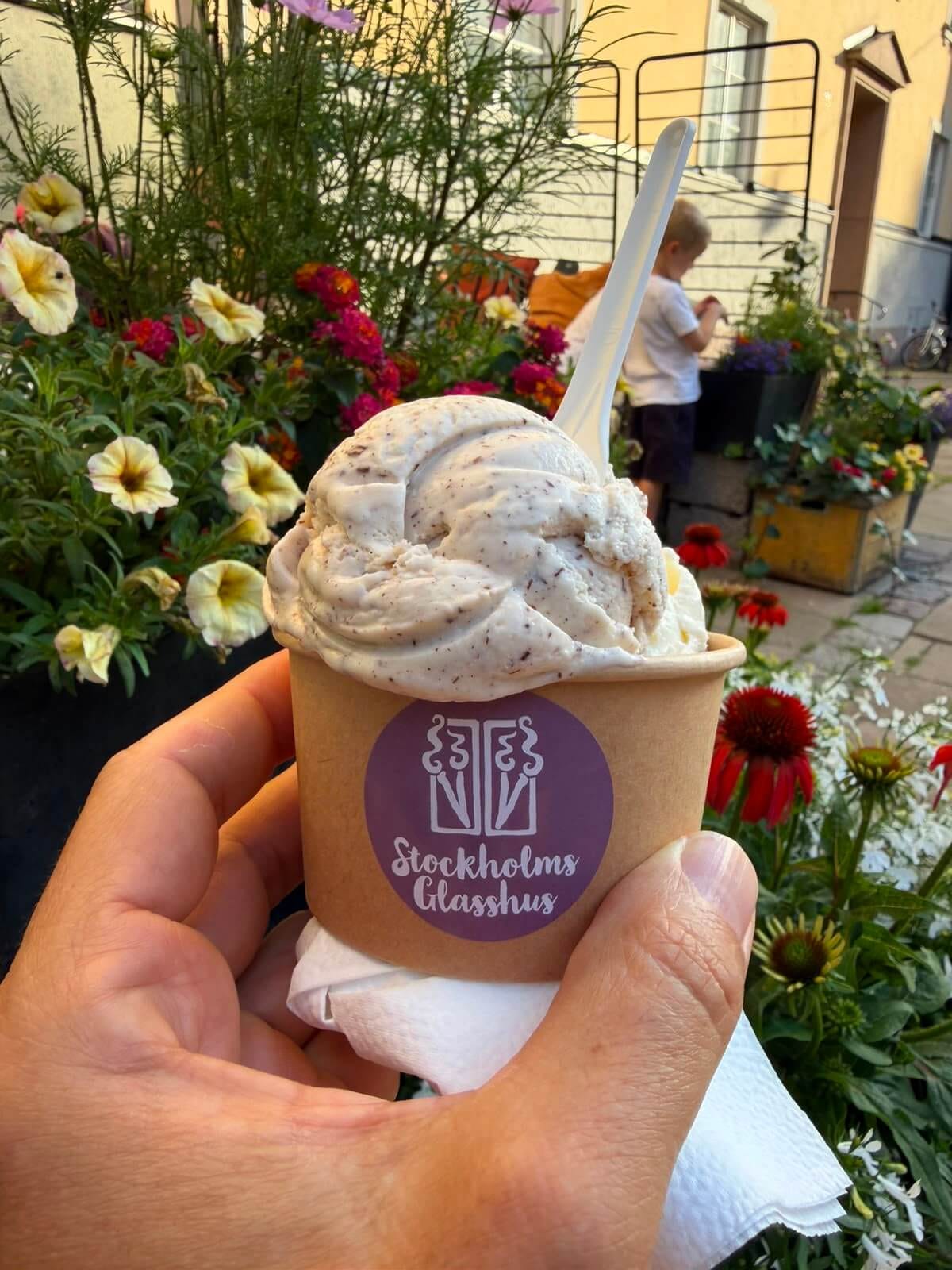
Despite all this history and all this cartographic fluidity, today you can enjoy an ice cream in Kraków, watch the sunset while listening to swallows over Budapest, and hardly imagine that bodies once lay scattered across Madrid’s Gran Vía. Guernica has become little more than an Instagram-worthy Picasso painting hanging in Madrid’s Reina Sofía Museum.
Fluidity exists not only in geography but also in history and in our own lives. Remembering the past and understanding history are undoubtedly important, but living, loving, rebuilding, and reconciling matter even more. Perhaps that’s why I love traveling so much. Seeing with my own eyes that it is possible to plant a garden—or even a forest—after surviving a genocide. To rebuild an entire city so that its people can believe life is worth living again. To realize that being born a Yugoslav, marrying as a Serb, and raising Kosovar children need not be as complicated as it sounds. Time transforms everything. Nations and empires, like people, eventually forget, become confused, and one day disappear.
I had actually sat down to write about an article in The Economist suggesting that Europe is less a giant museum than a giant theme park (“All the Continent’s a Stage,” July 25). Instead, I somehow ended up writing about wars and shifting borders. So now that we’ve buried those earlier paragraphs like European dead bodies, let’s return to the article.
Europe receives more tourists than any other region in the world—around 1.5 billion visitors—and the roughly US$900 billion they spend on hotels, restaurants, transportation, guided tours, and souvenirs accounts for about 7% of European exports, without having to worry about Trump’s tariffs. Yet those of us who come here searching for la dolce vita or the art de vivre soon realize that we are merely pretending to be Italians or Greeks among countless other tourists doing exactly the same thing. Especially during the summer, the locals often seem to be nothing more than the staff members in the world’s largest Instagram production. There are hardly any Parisians left at Café de Flore. Nor do you find many Romans leisurely sipping Spritzes in Trastevere.
Even so, despite the beaches here in Budva crowded with sunburned bodies and traffic jams that would make Jakarta blush, traveling is still worth every mile. And traveling with an understanding of the history behind each place is even more rewarding.
Until the end of August!
Heartbreaking and heartwarming at the same time😘
Sensacional!!!