


For English, please scroll down to 🇬🇧
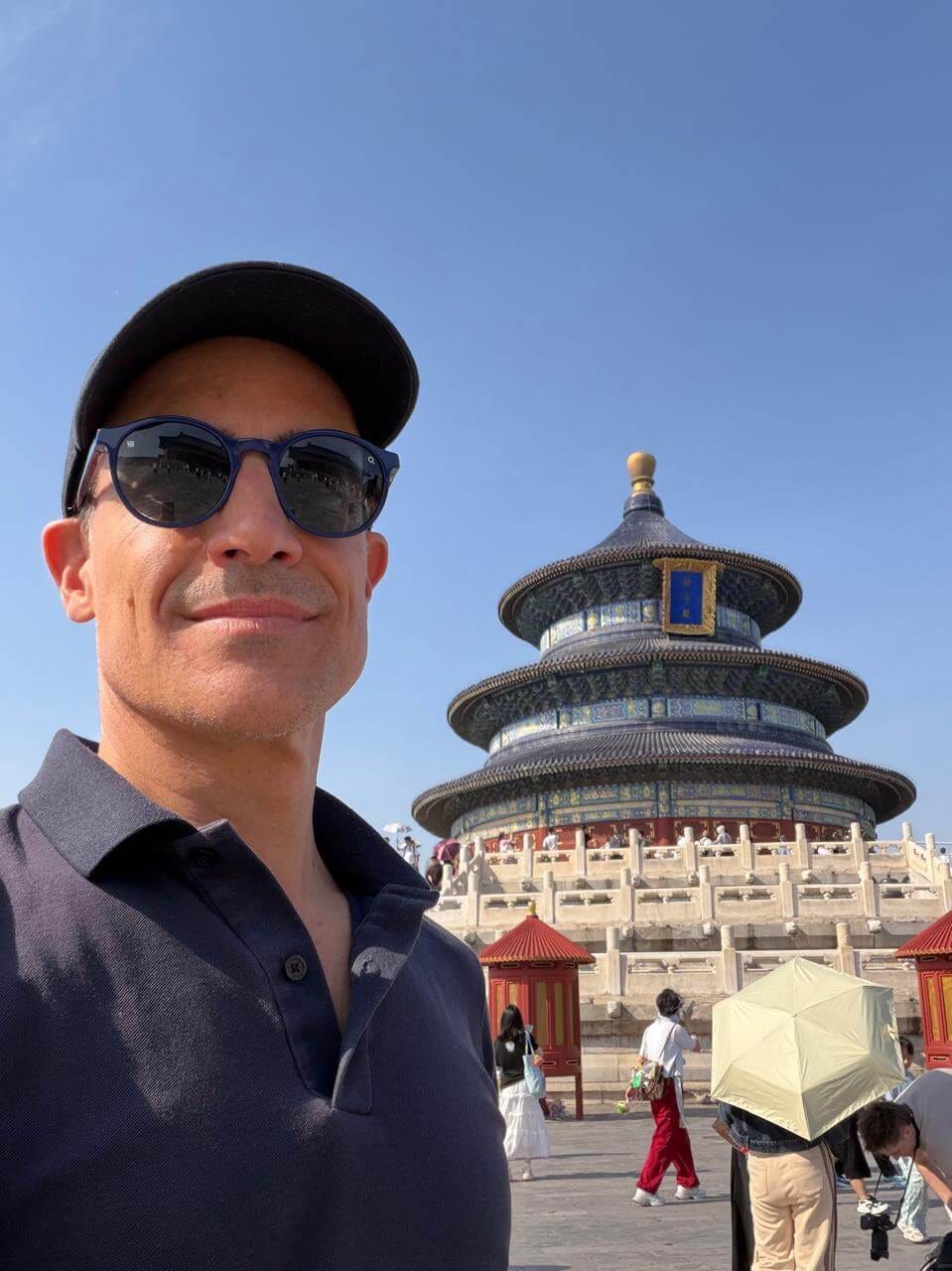
Em pouco mais de três semanas em Curitiba, parece que os dois meses entre Taiwan e China foram há três décadas. Tento não deixar as palavras que aprendi escaparem, como se eu fosse um daqueles equilibristas do Circo de Pequim que planta bananeira com pratos e copos em cima de uma vara giratória. Tem que ter muita força de vontade para não mandar tudo pelos ares. O bom é que sonho que estou de volta por lá, e há alguns episódios recorrentes. Só não sonho em chinês (ainda).
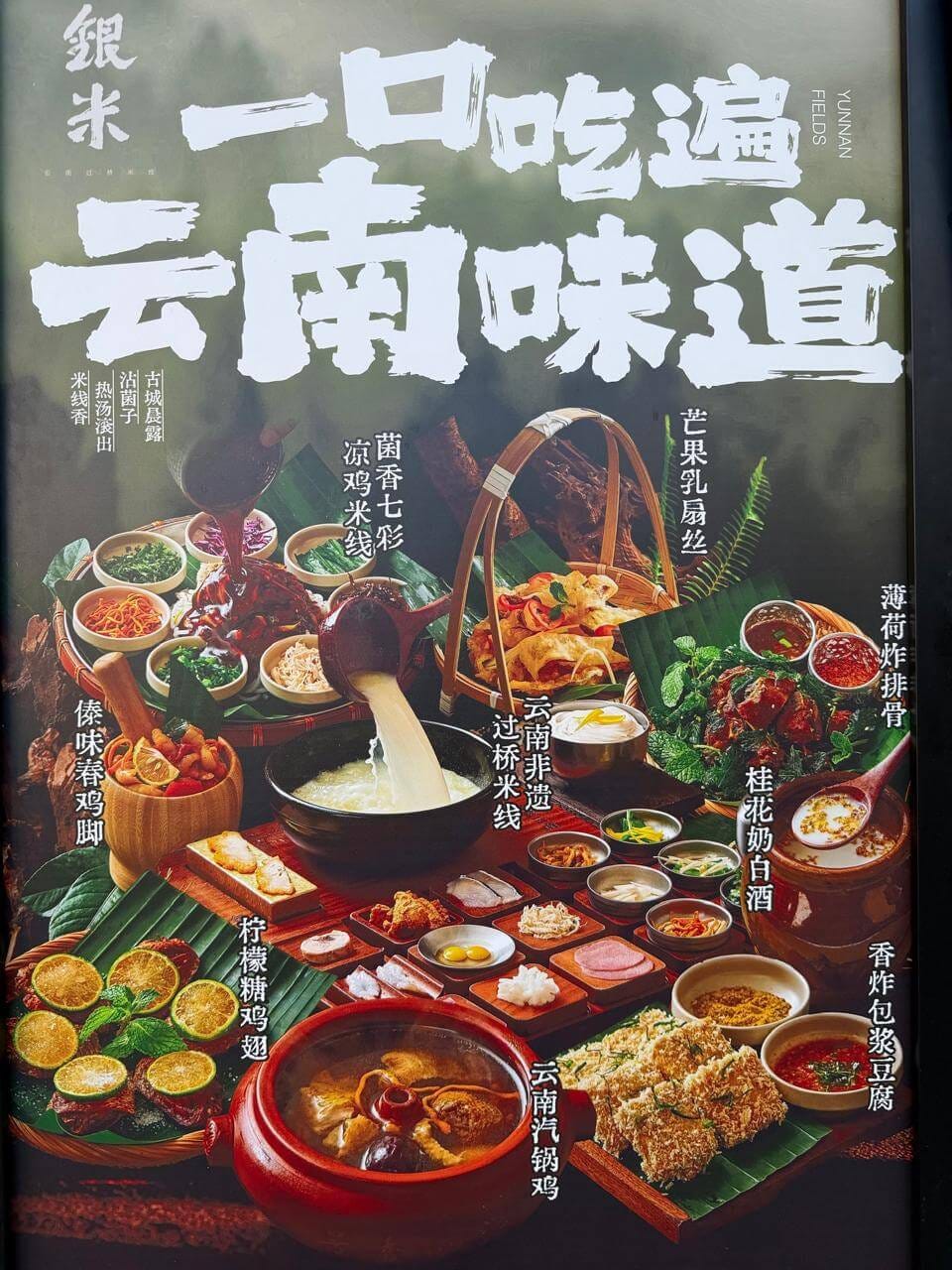
Um deles foi um prato especial de Kunming, a capital do Yunnan. A província é conhecida por suas frutas e legumes. A comida é saudável e colorida. Depois de passar quase vinte minutos desvendando o cardápio com o tradutor do celular, olhando fotos e os pratos dos vizinhos, pedi um refogado de flor de bananeira, algo que jamais tinha experimentado e que parecia delicioso. O prato chegou bem rápido, e ataquei com os palitinhos. Estava bem apimentado, mas cheio de texturas e sabores interessantes. Só a tal da flor de bananeira é que era estranha na boca. Meio borrachuda, nada vegetal. De repente, a garçonete trouxe outro prato à mesa. Eu tinha pedido só um. Este, sim, com cara de flor de alguma coisa e um leve aroma de banana. Com um teatro de gestos, consegui que ela me apontasse no cardápio o que era o primeiro prato, aquele que veio de surpresa (para mim e para a garçonete). Quase caí da cadeira quando o tradutor mostrou: tripas de gado. Ainda bem que estava tão picante que comi devagar, quase ruminando aquela coisa que agora embolava mais dentro da barriga do que na boca. Tive que tomar dois sorvetes de chocolate para me recuperar.
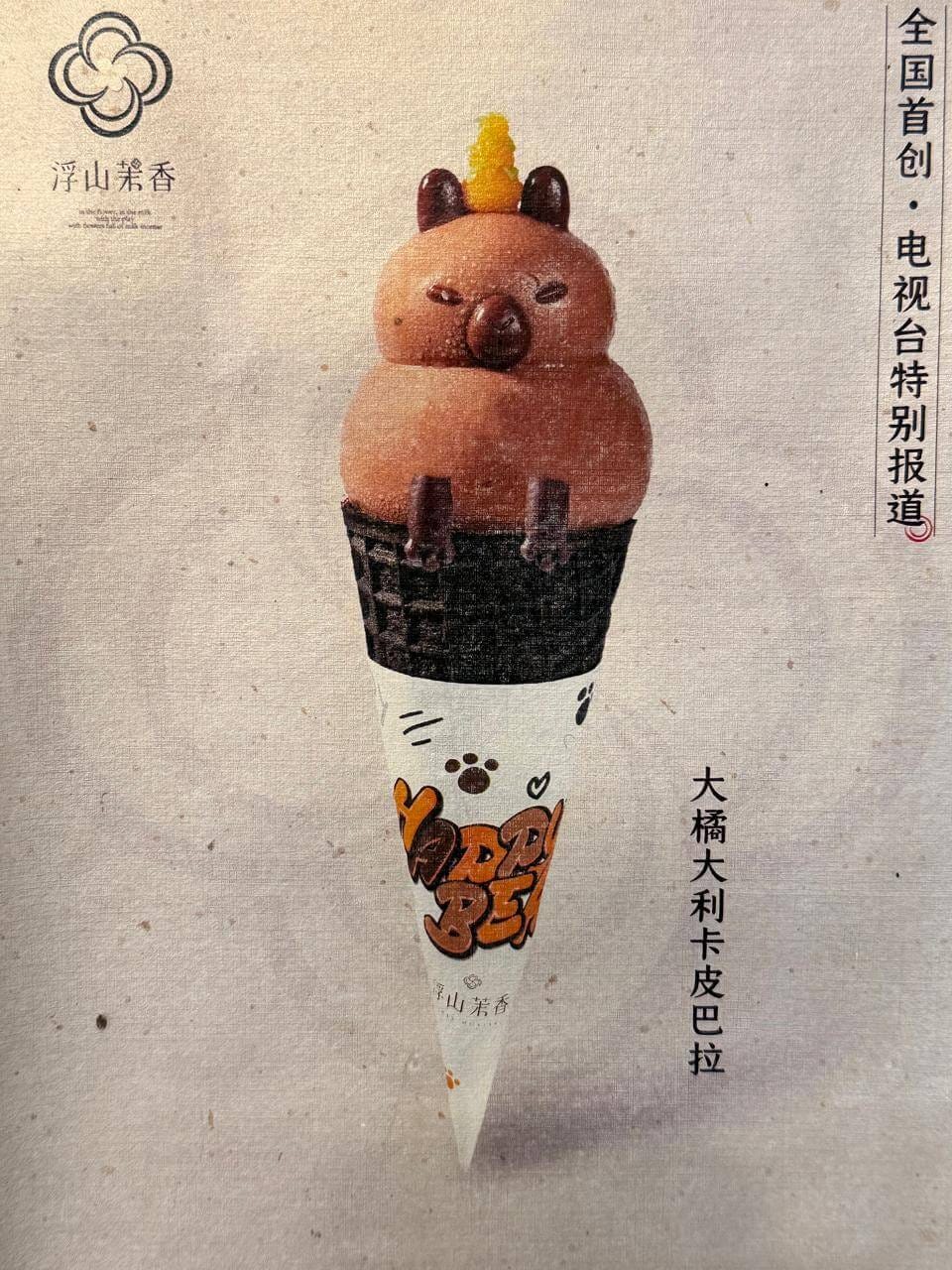
Já em Suzhou, uma cidade repleta de canais nos arredores de Xangai, a coisa foi outra. Como o centro histórico é todo recortado por pontes e becos, a gente passa por bairros residenciais onde dá para observar o cotidiano das pessoas. É meio invasivo, mas quem mora ali nem pisca, até porque só os turistas de longe é que bisbilhotam, enquanto os chineses, munidos de aplicativos mais sofisticados, pegam outros caminhos. Eis que vejo uma menininha linda na soleira de uma porta. Maria-chiquinha, vestido rosa de bailarina, segurando um bichinho fofinho. Dei bom-dia em mandarim (“ni hao”), e ela respondeu (“ni hao”). Foi a primeira comunicação que tive com alguém de verdade na China, algo singelo e que me alegrou. Ela então me mostrou o camundongo que tinha na mão e, num upa, mordeu a cabeça do bicho. Fiquei estarrecido. Não sabia se tirava uma foto, se saía correndo ou se dava risada. Ela viu meu estado de choque e deu uma gargalhada vermelha. A cabeça do bicho caiu no chão. Ela colocou o resto dentro de um pão e mordeu outra vez. Mas daí eu já estava longe, e nem cinco sorvetes me recuperaram. Emagreci dois quilos nos dias subsequentes.
Viajar de trem pela China é fácil e barato, mesmo na primeira classe. Mas os trens lotam rápido, e tive que encarar um trajeto de Dali para Lijiang, dois destinos hiperturísticos, na segunda classe. Notei que o povo fazia fila na plataforma, mesmo com lugar reservado. Cada um com uma mala de rodinhas e uma mochila. Há também gente que compra passagem sem lugar para sentar e se acomoda pelos corredores. Nesse trem, eu acabei tendo que me espremer entre duas famílias numerosas, com muitas sacolas e saquinhos de semente de abóbora, cujas casquinhas vão direto para o chão. Minha mala ficou servindo de apoio para os pés, pois não havia mais lugar na chapeleira. O bom é que pude falar chinês com um menino que devia ter uns dois anos e estava no colo da mãe, que se sentava no braço do meu assento. Eu queria era jogar todo mundo para fora do vagão, mas fui simpático, até mesmo quando o vovô do grupo cuspiu no corredor. O interessante era que o segurança ia e vinha se espremendo entre a massa de gente. O pessoal do vagão-restaurante entregava as bandejas solicitadas pelo app do trem, e a tiazinha da limpeza (todo trem chinês tem ao menos duas) usava a vassoura mais como espanador. Não conseguia olhar para fora da janela. Foi a primeira e última experiência na segunda classe em feriado prolongado.
Cada dia na China dá para escrever um livro de contos (e sonhar com eles para o resto da vida).
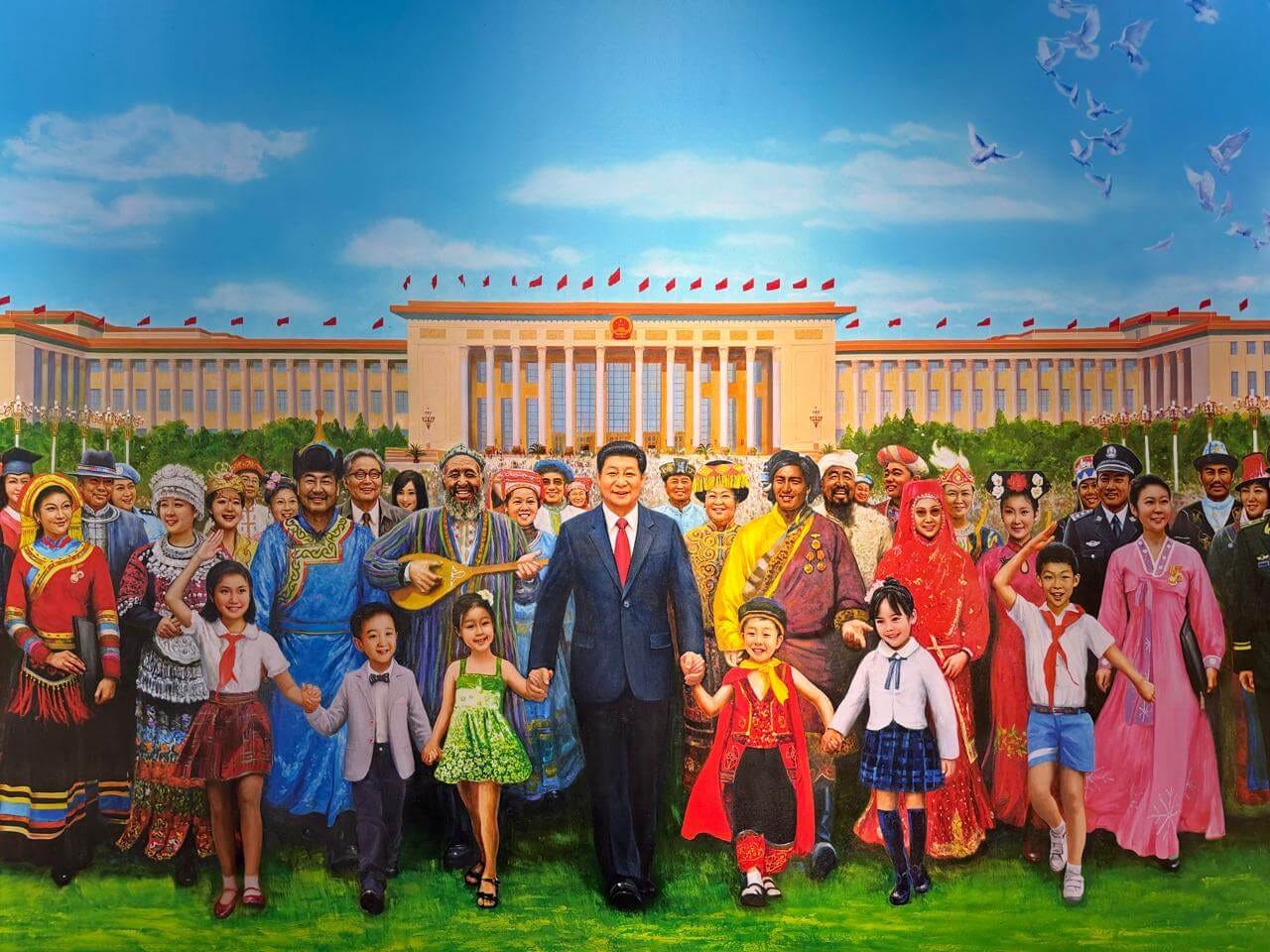
🇬🇧 In just over three weeks back in Curitiba, it already feels as though those two months between Taiwan and China happened three decades ago. I try not to let the words I learned slip away, like one of those acrobats from the Beijing Circus doing handstands while balancing plates and glasses atop a spinning pole. It takes real determination not to let everything come crashing down. The good thing is that I dream I’m back there, and certain episodes keep returning. I just don’t dream in Chinese yet.
One of them involves a special dish from Kunming, the capital of Yunnan. The province is famous for its fruits and vegetables. The food is healthy and colorful. After spending nearly twenty minutes deciphering the menu with my phone translator, studying pictures and peeking at my neighbors’ plates, I ordered a stir-fried banana blossom dish, something I had never tried before and that looked delicious. The plate arrived quickly, and I attacked it with my chopsticks. It was very spicy, full of interesting textures and flavors. Only the supposed banana blossom felt strange in my mouth. Rubbery somehow, not vegetal at all. Suddenly, the waitress brought another dish to the table. I had only ordered one. This one actually looked like some kind of flower and carried a faint banana aroma. Through a theatrical exchange of gestures, I managed to get her to point out on the menu what the first dish had been, the one that had arrived by surprise (for both me and the waitress). I nearly fell off my chair when the translator displayed: beef intestines. Luckily it was so spicy that I ate slowly, almost ruminating that thing which now churned more inside my stomach than in my mouth. I had to eat two chocolate ice creams to recover.
In Suzhou, a city laced with canals on the outskirts of Shanghai, things were different. Since the historic center is crisscrossed with bridges and alleyways, you end up passing through residential neighborhoods where it’s possible to observe people’s daily lives. It feels slightly intrusive, but the locals do not even blink, perhaps because only distant tourists snoop around while the Chinese, equipped with far more sophisticated apps, take other routes. I spotted a beautiful little girl standing in a doorway. Pigtails, a pink ballerina dress, holding a cute little creature. I said hello in Mandarin (“ni hao”), and she answered (“ni hao”). It was the first real interaction I had with someone in China, something simple that made me genuinely happy. Then she showed me the mouse she was holding and, in one swift movement, bit its head off. I froze in horror. I did not know whether to take a picture, run away, or laugh. She noticed my shock and burst into a bright red laugh. The animal’s head fell to the ground. She stuffed the rest into a piece of bread and took another bite. But by then I was already far away, and not even five ice creams could restore me. I lost two kilos in the days that followed.
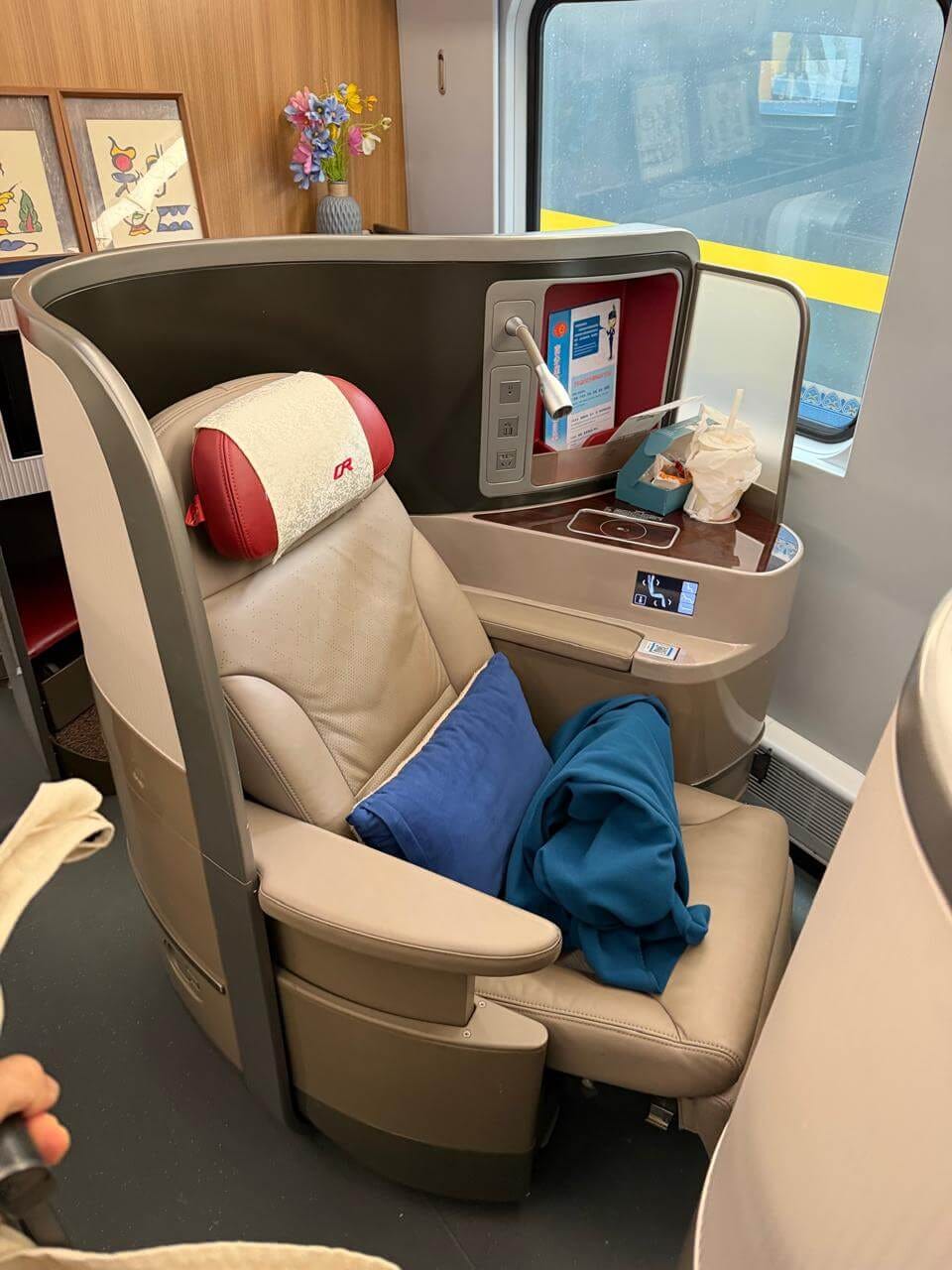
Traveling by train in China is easy and cheap, even in first class. But trains fill up quickly, and I had to face a journey from Dali to Lijiang, two hyper-touristic destinations, in second class. I noticed that people lined up on the platform even with assigned seats. Each person carried a wheeled suitcase and a backpack. There are also passengers who buy standing tickets and settle themselves in the corridors. On that train, I ended up squeezed between two large families carrying countless bags and little packets of sunflower seeds whose shells went straight onto the floor. My suitcase became a footrest because there was no more space in the overhead rack. The good part was that I got to speak Chinese with a little boy who must have been around two years old and sat on his mother’s lap while she perched herself on the armrest of my seat. What I really wanted was to throw everyone out of the carriage, but I remained polite, even when the family grandfather spat in the aisle. The interesting thing was watching the security guard squeeze back and forth through the mass of people. The dining-car staff delivered meal trays ordered through the train app, and the cleaning lady (every Chinese train has at least two) used her broom more as a feather duster than anything else. I could barely look out the window. It was my first and last second-class experience during a holiday weekend.
Every day in China is enough material for a book of short stories — and for dreaming about them for the rest of one’s life.
Vicente, encontrei seu blog por acaso e depois procurei você no Instagram para acompanhar. Gostei especialmente da apresentação, quando você diz que escreve sobre o que viu, leu e por onde andou nos últimos 30 dias. Há algo de cronista-viajante nisso que me chamou atenção.
Sou artista e pesquisador, e há alguns anos venho trabalhando justamente na relação entre deslocamento, cultura brasileira, narrativa e contemplação. Seus textos me pareceram dialogar com uma tradição que admiro muito, de pessoas que viajam não apenas para conhecer lugares, mas para compreender melhor os territórios, as culturas e a si mesmas.
Enviei uma solicitação para acompanhá-lo por lá também. Se puder me aceitar, ficarei feliz em seguir suas próximas histórias e viagens.
Parabéns pelo espaço e pela escrita. Um abraço.
Que aventura !!! Da-lhe sorvete kkkk